

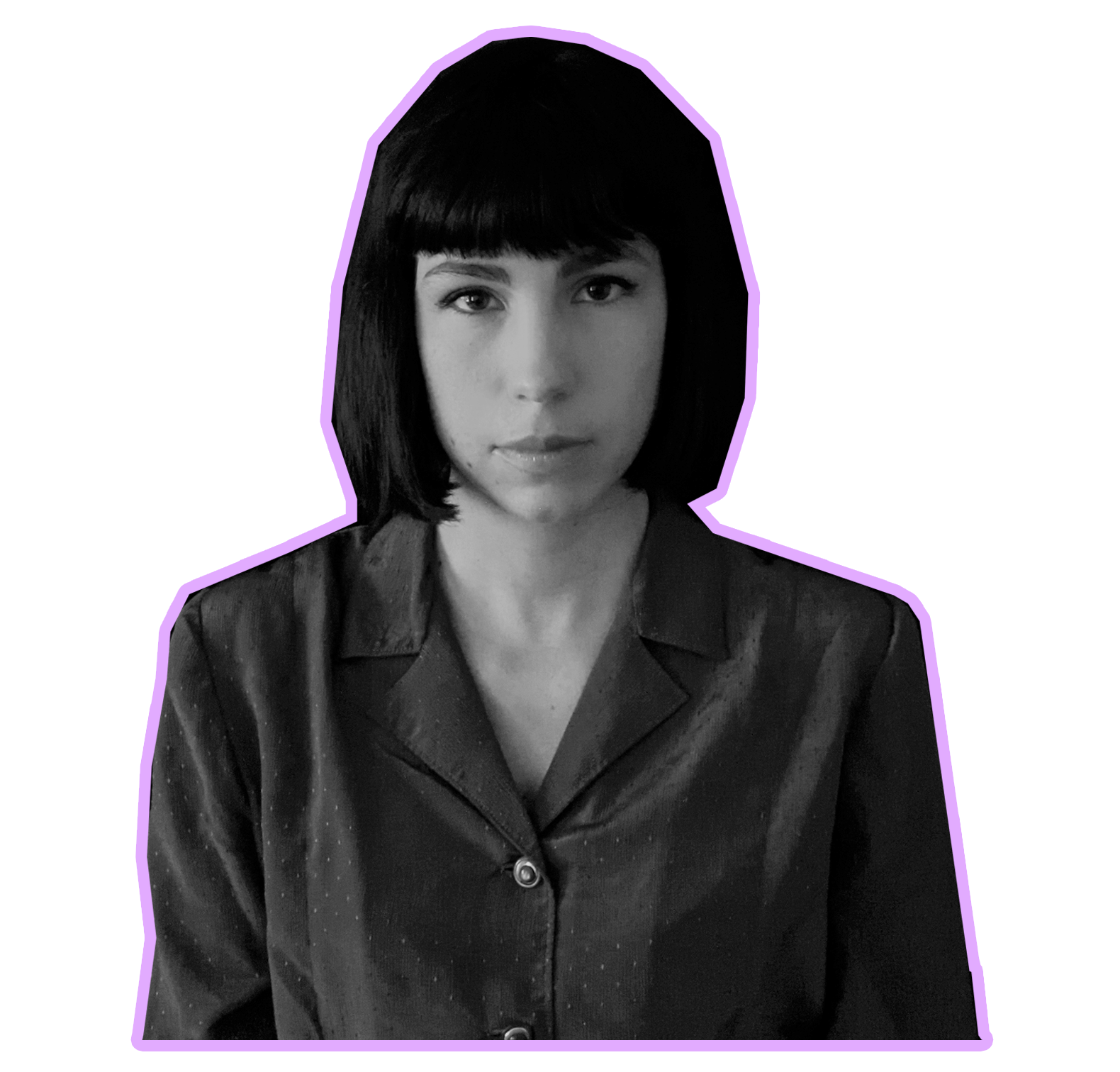
ANA DE ALMEIDA
“Ficou
a ver
passar
navios.”
#ARTS-BASED RESEARCH #ARCHITECTURE #COMMONS #INSTALLATION #SPACE #MULTIMEDIA #IDENTITY #PERFORMANCE
#NEO-COLONIAL #VIDEO #GENDER
BIO. Ana de Almeida (b.1987) is an artist and author from Lisbon, currently based in Vienna. She is a member of the artists’
collective dienstag abendof
of VBKÖ and of the Interndinner collective against precarization of work in the cultural field. Her artistic practice addresses memory and remembering processes, narrative constructions that connect space and subject, and plurispatial and multilayered narratives in general.
Ana de Almeida is currently a Ph.D. candidate at the Academy of Fine Arts of Vienna, pursuing a doctoral thesis about the production of images in the 1974—1989 inter-revolutionary space between the Carnation and the Velvet Revolutions.
Ana de Almeida is currently a Ph.D. candidate at the Academy of Fine Arts of Vienna, pursuing a doctoral thesis about the production of images in the 1974—1989 inter-revolutionary space between the Carnation and the Velvet Revolutions.
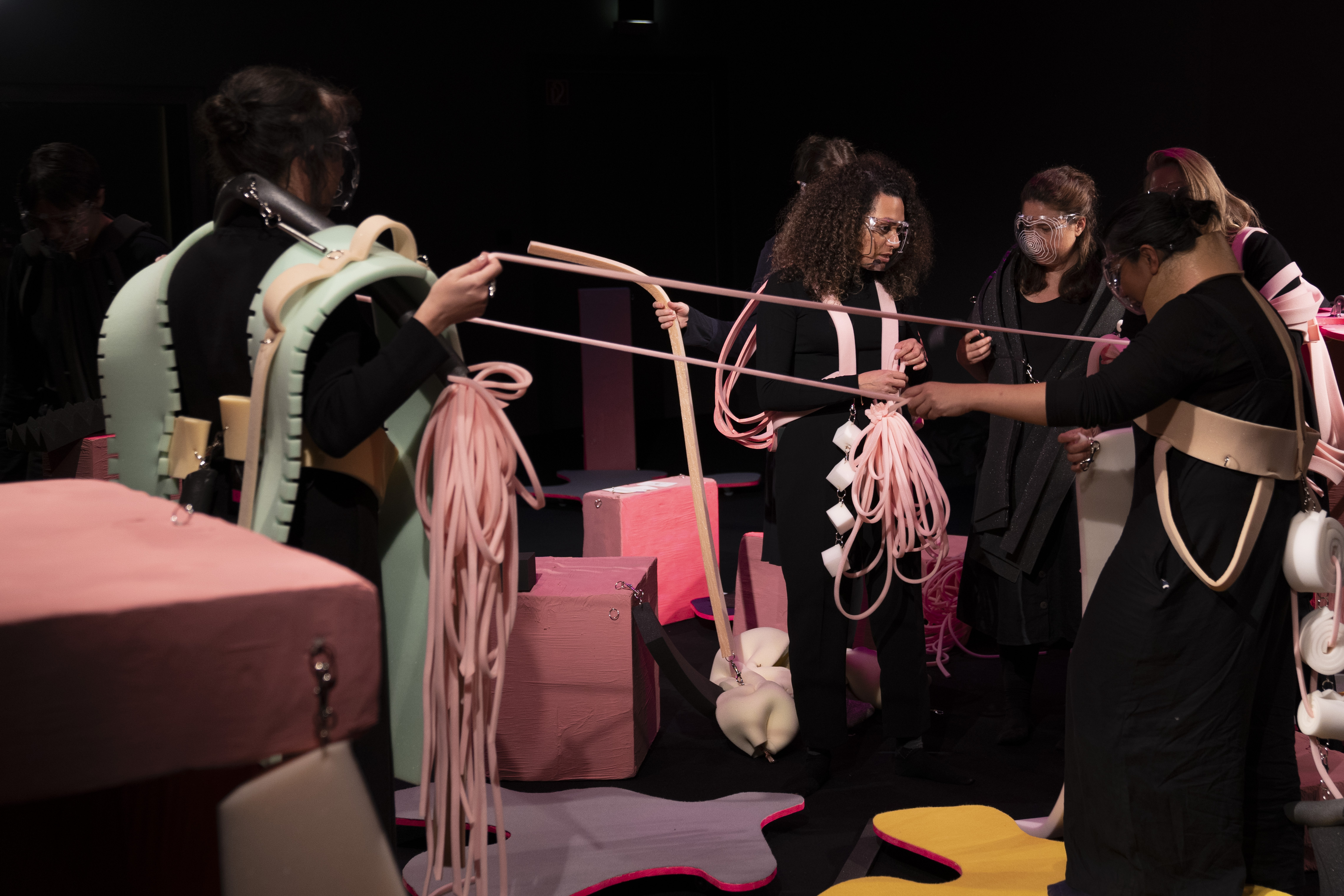
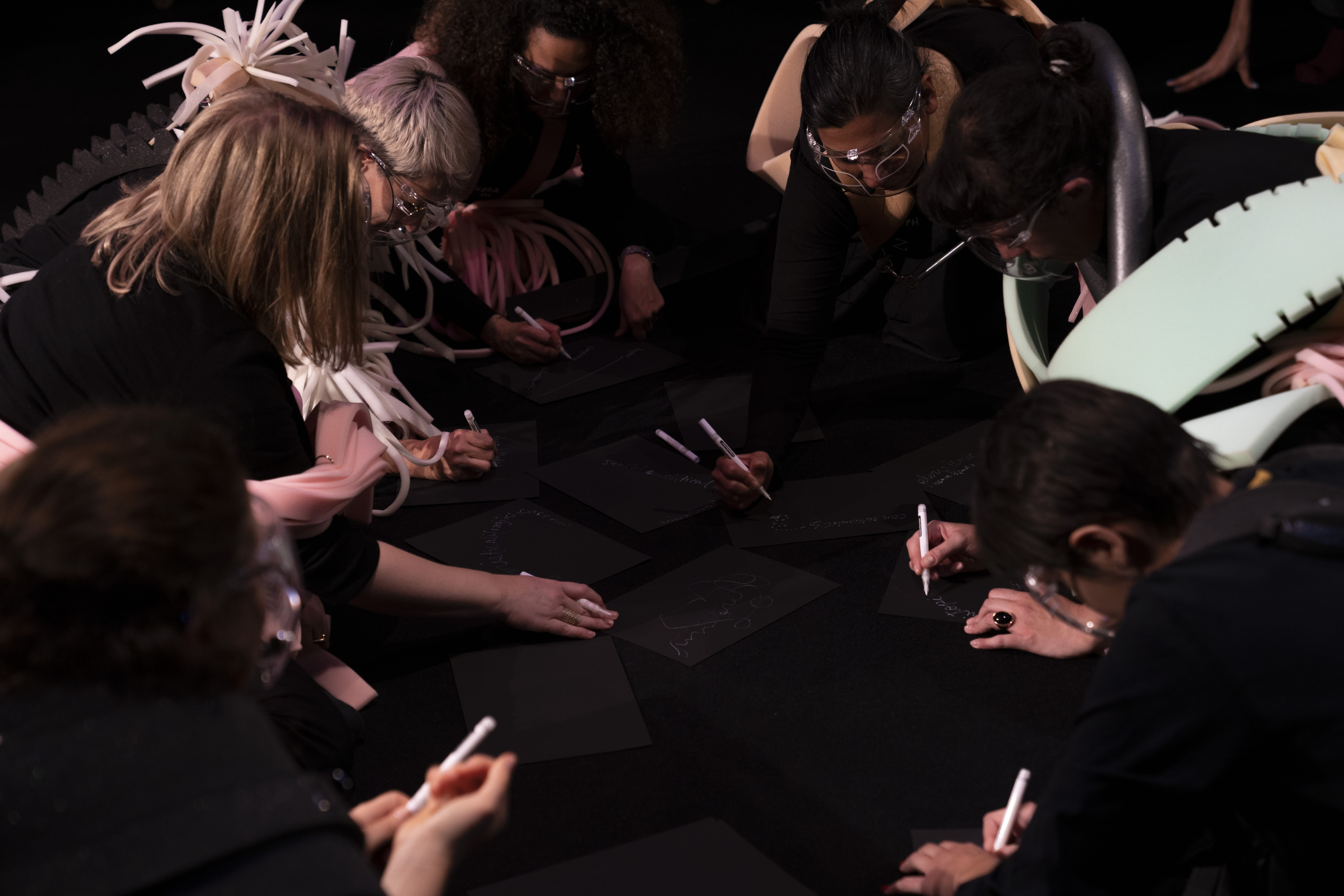
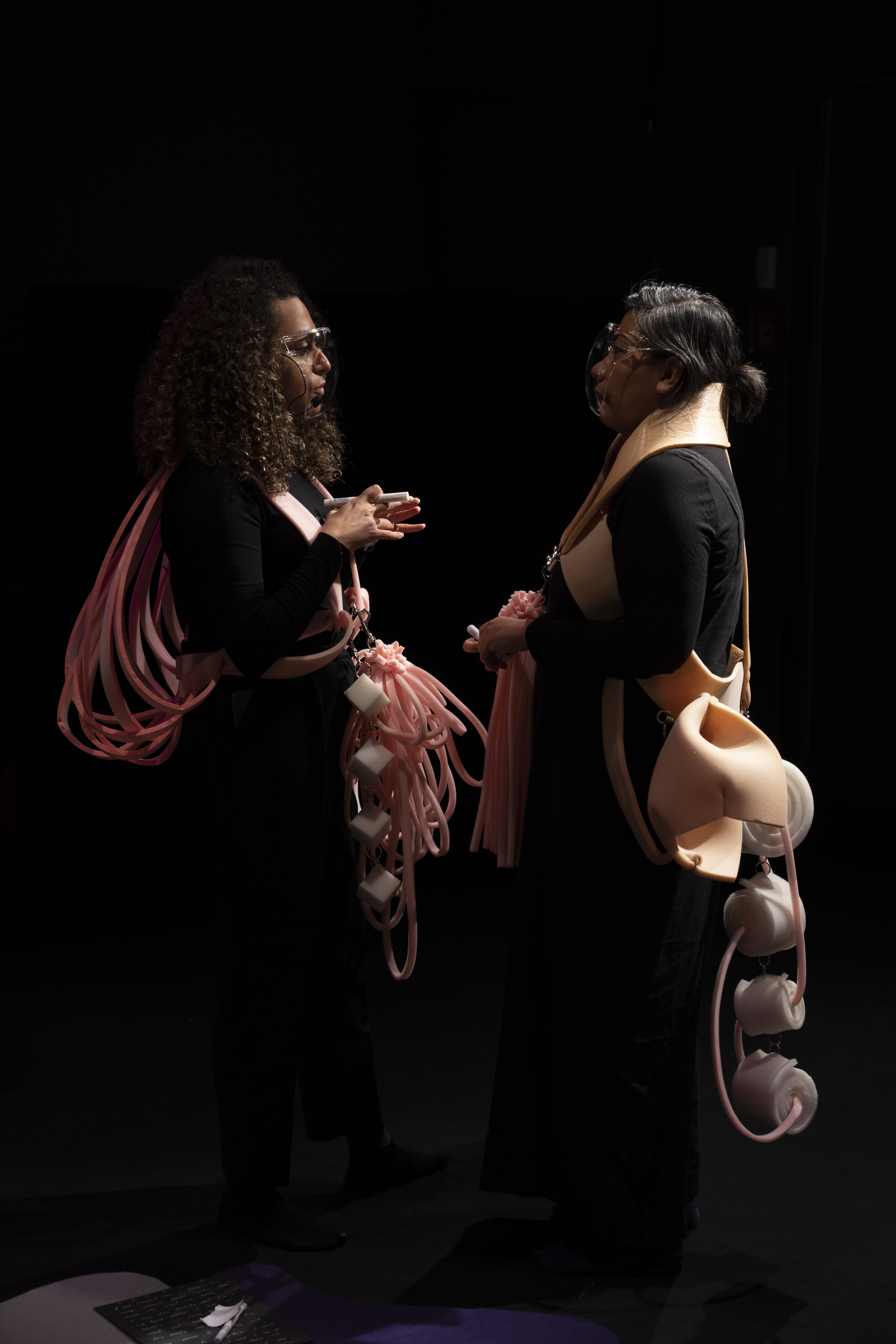

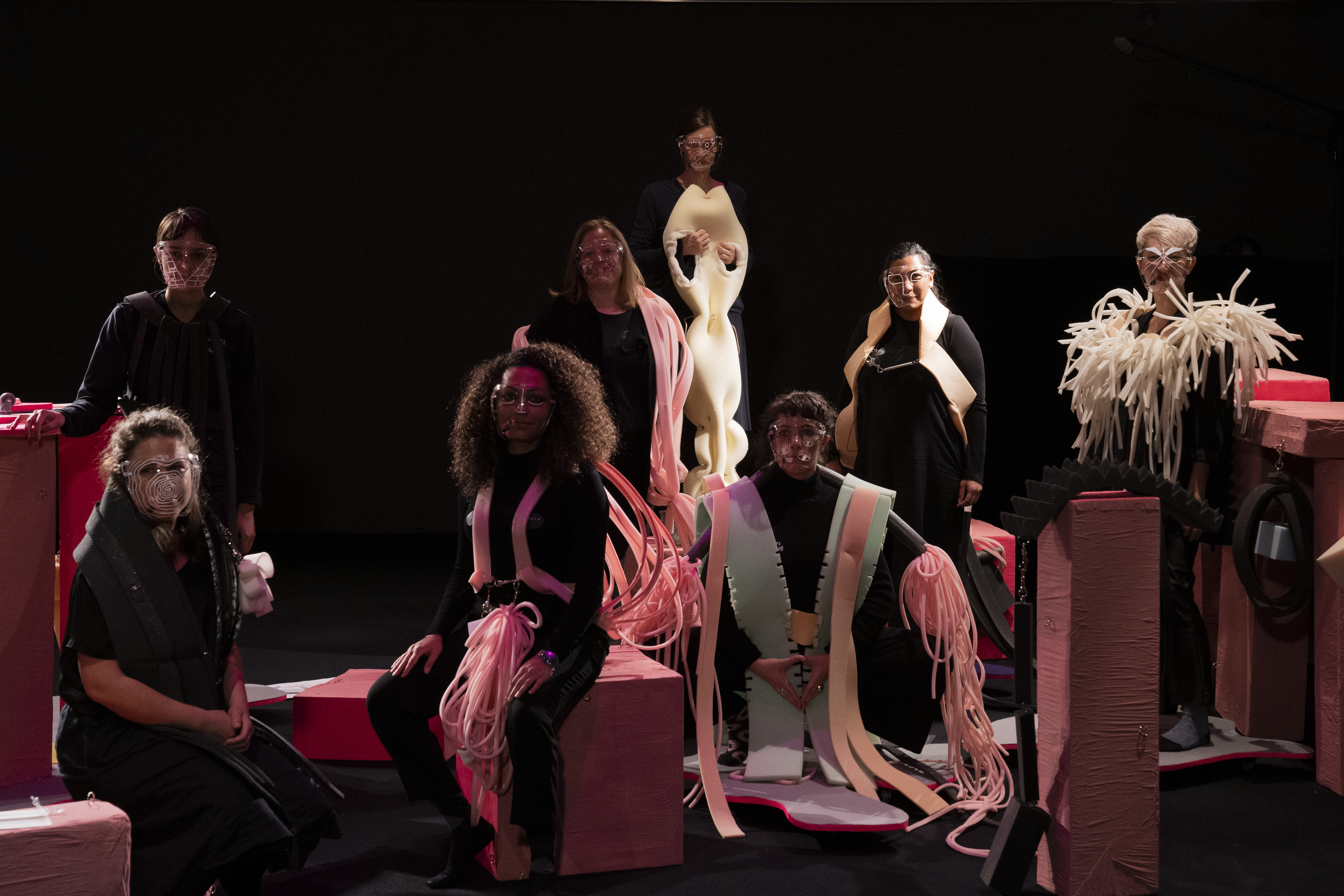
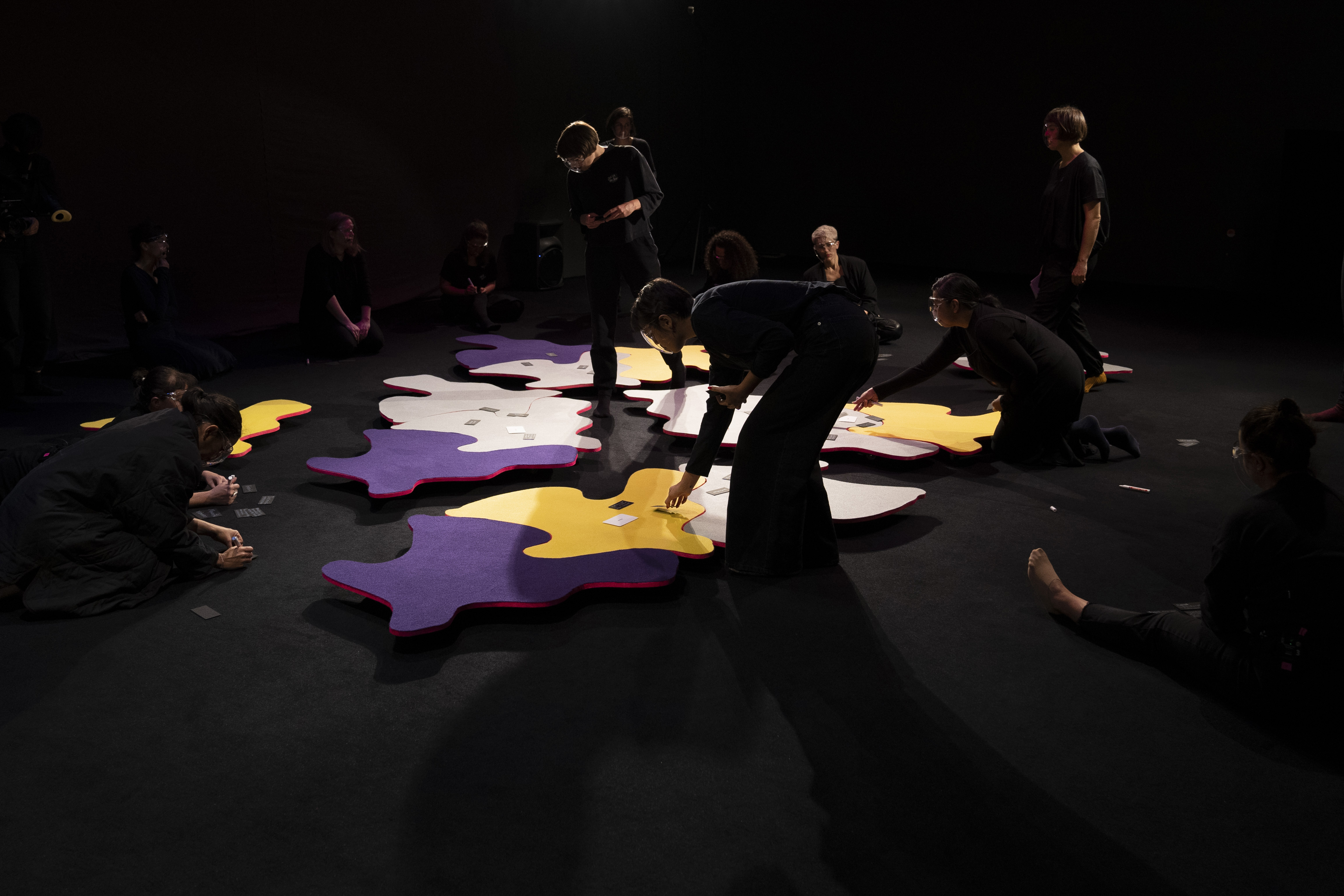
Ana de Almeida, Alicja Rogalskaand & Vanja Smiljanic
NOVA. Future thoughts on surviving together (2020 AT)
Live Action Role Play
In the future, gender inequality was erased. Nova is a multitude of newly born, radically inclusive and self-managed communities. Heterogeneous in their forms of commoning and social organization, Nova share a vow to never let oppression in any form rise again. Nova. Future thoughts on surviving together is a feminist futurist LARP - Live Action Role Play by Ana de Almeida, Alicja Rogalska and Vanja Smiljanić; directed towards feminist and queer-feminist activists based in Vienna. NOVA is a day of speculative gaming aimed at sharing survival strategies, exercising solidarity and intersectionality, creating solidarity networks and forming new alliances between different emancipatory movements. Together, we created a piece of feminist political fiction - a work in progress and a world free of patriarchal oppression in the making.
With: VBKÖ, Saloon Wien, Kunst & Kind, Latinxs Unidxs, Kültür Gemma, Cine Collective, Mala Sirena, female:pressure.


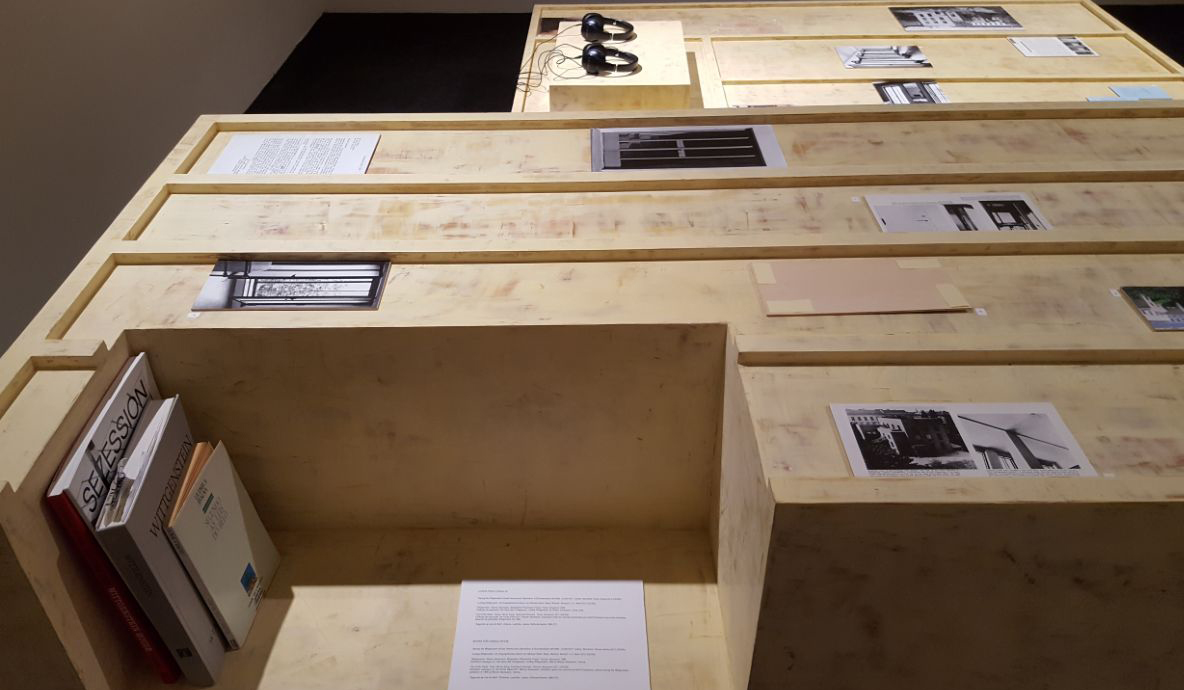
A Casa / The House The flat / Die Fläche (2018 PT)
MDF, stucco-lustro, stereo sound 42'5'' looped
Likewise a sculpture, A Casa (The House) shares the aesthetic and architectonic language of the House Wittgenstein in Vienna. The two volumes are a transposition and folding down of two of its architectonic elements: a window and the vestibule door. They serve as display for documental material such as letters and photos and incorporate an audio piece with interviews led by the artist. The surface is covered by stucco-lustro, a coating technique proliferating in Vienna on the turn to the 20th century, similar to how could the original coating of the walls of the House Wittgenstein have looked like before they were painted white after World War II. The highlighting of the stucco-lustro architectonic detail points out to a fundamental discovery for the understanding of the house as aesthetic experiment in which the house interiors, composed by materials which evoke extreme hardness, seem to dematerialize through the highly reflecting properties of the stucco walls.

Photos: © Ana de Almeida & Stephanie Misa
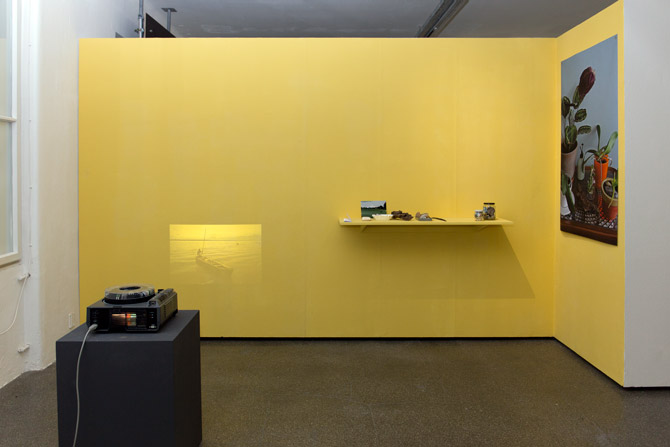
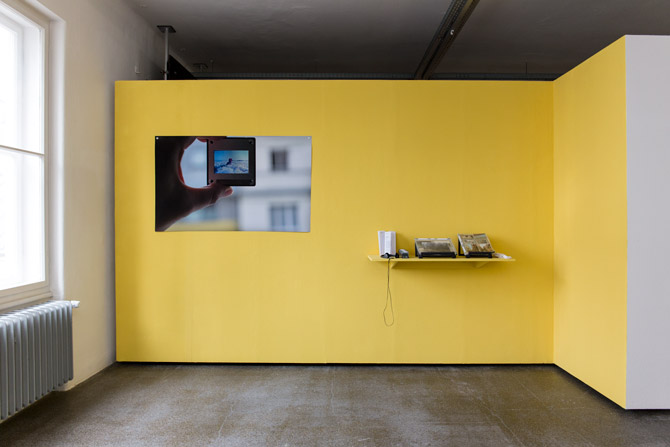
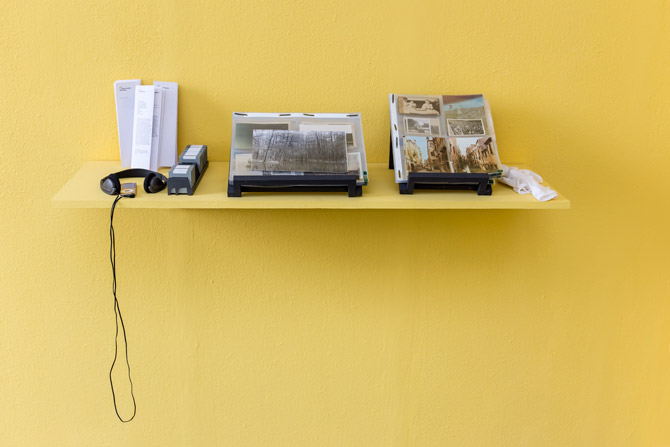
Untitled (Yellow) (2017 PT)
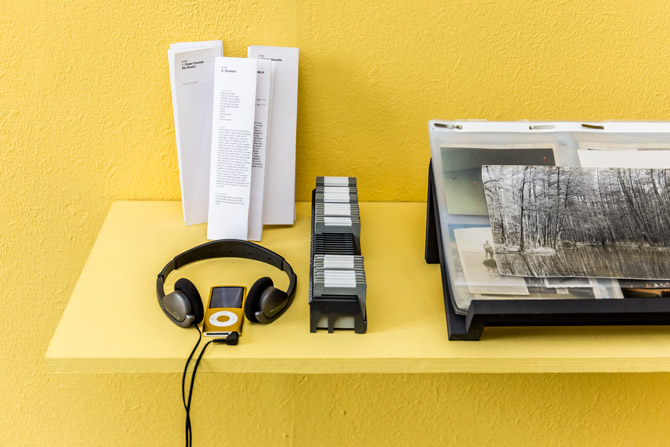
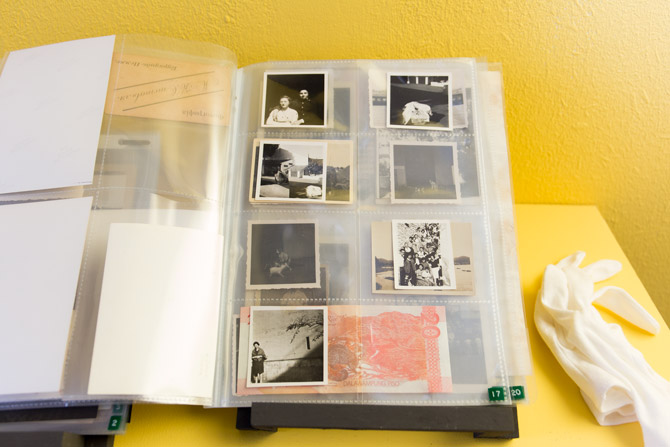
Wall, yellow paint, memorabilia, diashow, stereo sound
A cooperation between Ana de Almeida (PT/AT) and Stephanie Misa (PH/AT) . This is a project about landscape as formal and informal disposition of elements. Coordinates. An arrangement, a hierarchy: borders and de-limitations, transpositions and transgressions, frames and their inside-outside, margins, and of course landscape — of the geographical, political, personal, and emotional nature. Edouard Glissant’s Traité du Tout-Monde. (Poétique IV), calls it archipelagic thinking, a group of islands that lends its topography to an alternative imaginary: a reassessment of the insularity of bound cultures, of nation-states, and the heaviness of “continental thought”. The archipelago is an alternative imaginary, one that posits that identity could be as a conglomeration of islands (composed of many, yet is one). Identity formation, embodiment, complex colonial histories, evolution, interconnectedness, diaspora and change — Oh to dispell the oppressive idea of nationalistic wholeness!
PATRÍCIA J. REIS

“Demystifying
technology
is an
emancipation
strategy.”
www.patriciajreis.com
mail instagram facebook linkedin
#ARTS-BASED RESEARCH #BODY #HAPTIC #INTERACTIVE #INSTALLATION #MULTIMEDIA #HACKING #ELECTRONICS #PERCEPTION #ONTOLOGY
BIO. Patrícia J. Reis (b. 1981, Lisbon, Pt) is an installation artist based in Vienna whose practice encompasses different formats and media to examine our relationship with modern technology. Through an ongoing investigation that destabilizes the boundaries between science, technology, magic, and spiritual beliefs, she explores the questions “How do we believe in machines?” and “How is technology shaping us bodily?”. In her complex installations she often appeals to the visitor’s sensoriality in an intimate and sensual way, encourage them to become active participants.


Photos: © Sophie Thun
BLOW! (2019)
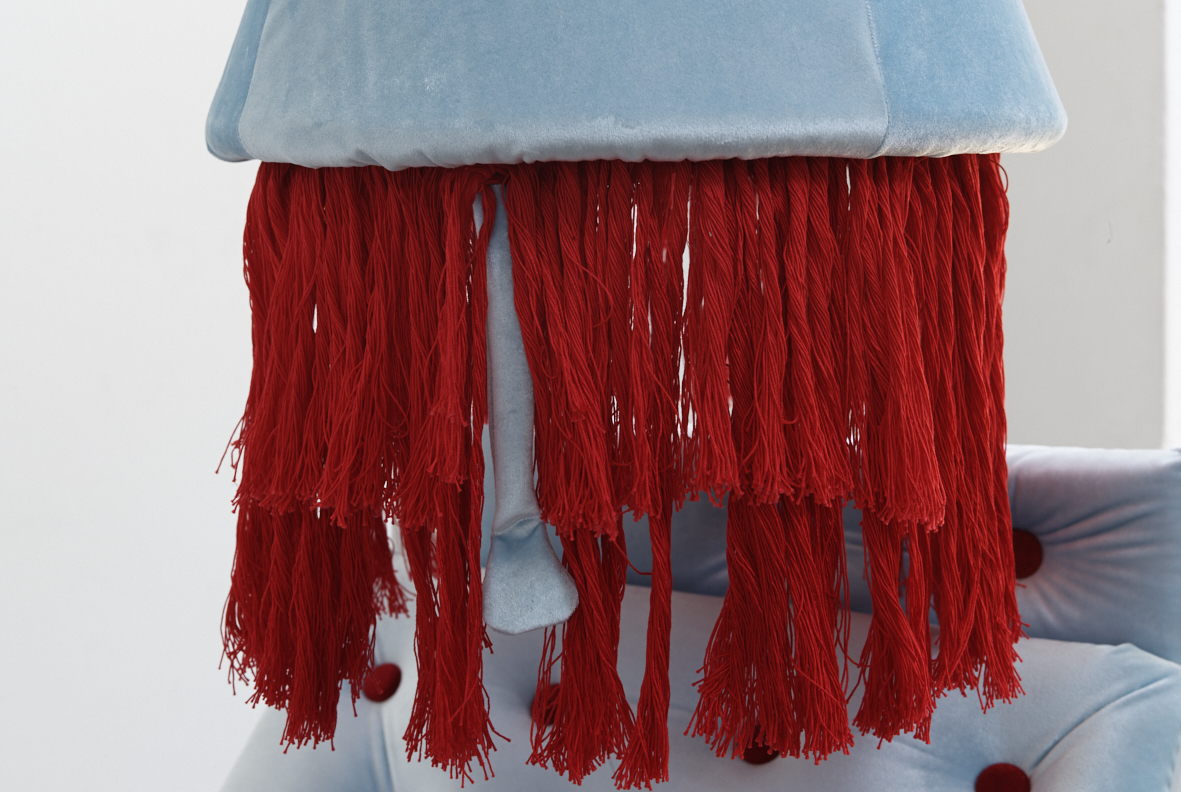
Interactive installation composed by “massage chair”, microphone sensor, microcontroller system
In the light of the current digital media context, in which data and privacy are major topics of discussion, Patrícia J. Reis artwork examines potential processes of semantic translation between humans and machines. Blow! (2019) focuses on one's own intimate haptic system, taking into consideration their sensorial mechanism as an apparatus for the construction of individual sensations. The interactive installation invites participants to engage physically and bodily, experiencing haptic sensations resultant from the data collected from their own breath. Blowing the sensor (blue suspended object) activates the vibration motors embedded in the seat and back of the object. The vibration routine is always different and depends on how the participant blows in the sensor.



Photos: © Manfred Pichlbauer
Underneath the Skin Another Skin (2016)
Audiovisual tactile installation
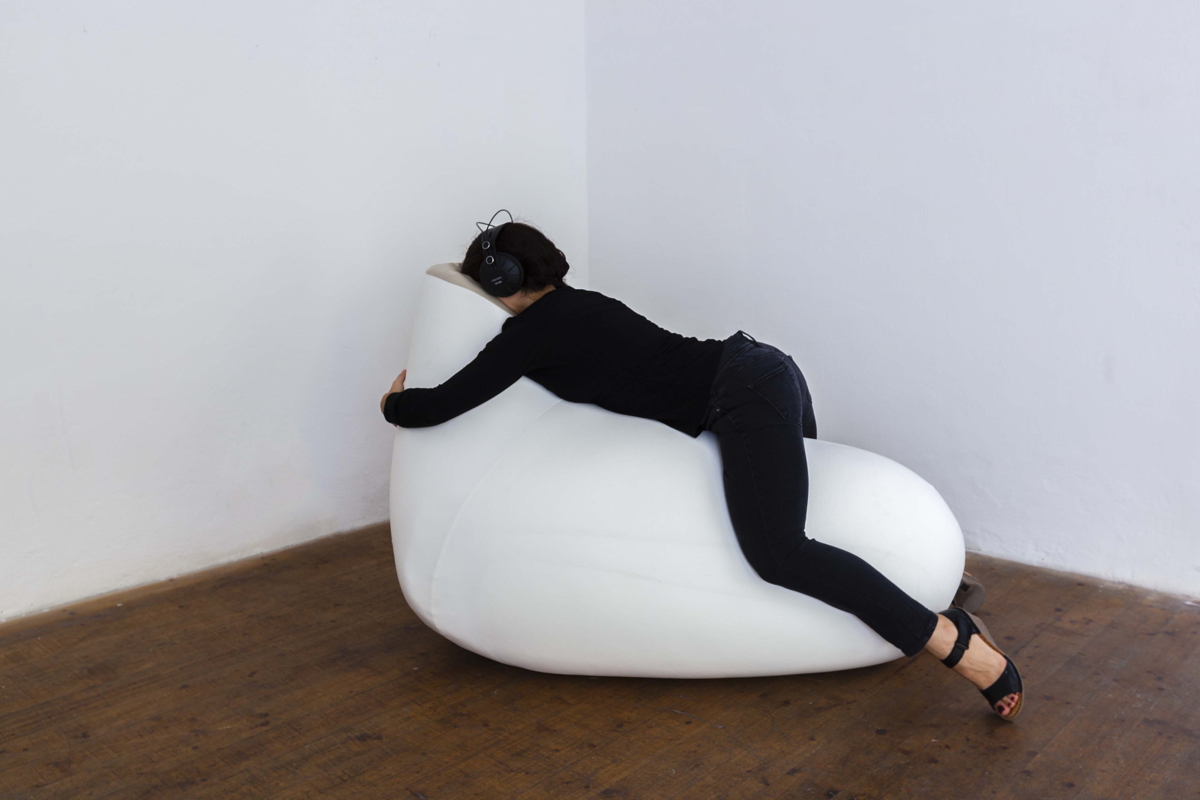
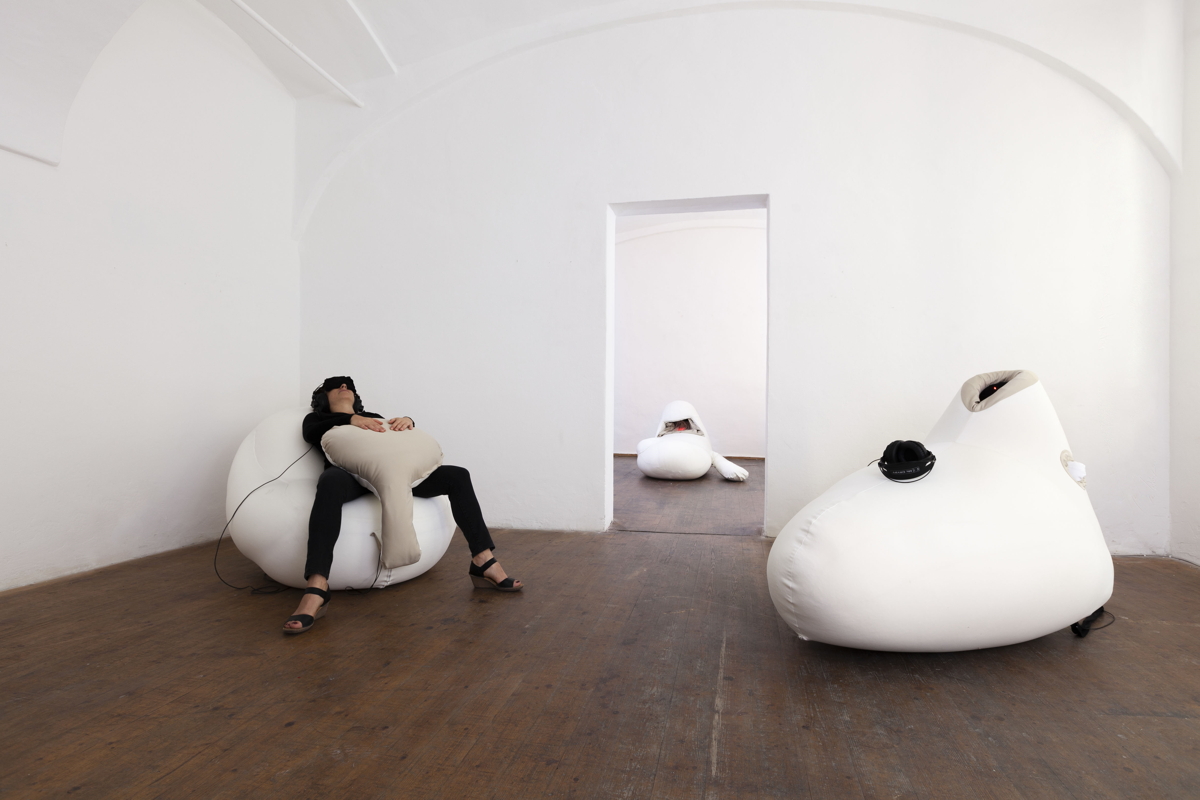
Underneath the skin another skin is an audio-visual-tactile interactive installation presented in the shape of three human-scale tridimensional objects. It is made of flexible materials such as textiles, inviting the interacting audience to engage physically in a bodily sensorial and sensuous relationship with the artwork. The objects contain interactive devices and tactile sensors that, when used, trigger multiple sensorial stimuli in the interactor. The interactive installation focuses on the interactor’s intimate haptic sensorial experience, taking into consideration his or her sensorial and cognitive mechanisms as a potential apparatus in the construction of unique individual experiences.


Sensorial Screen (2018)
Audiovisual tactile installation
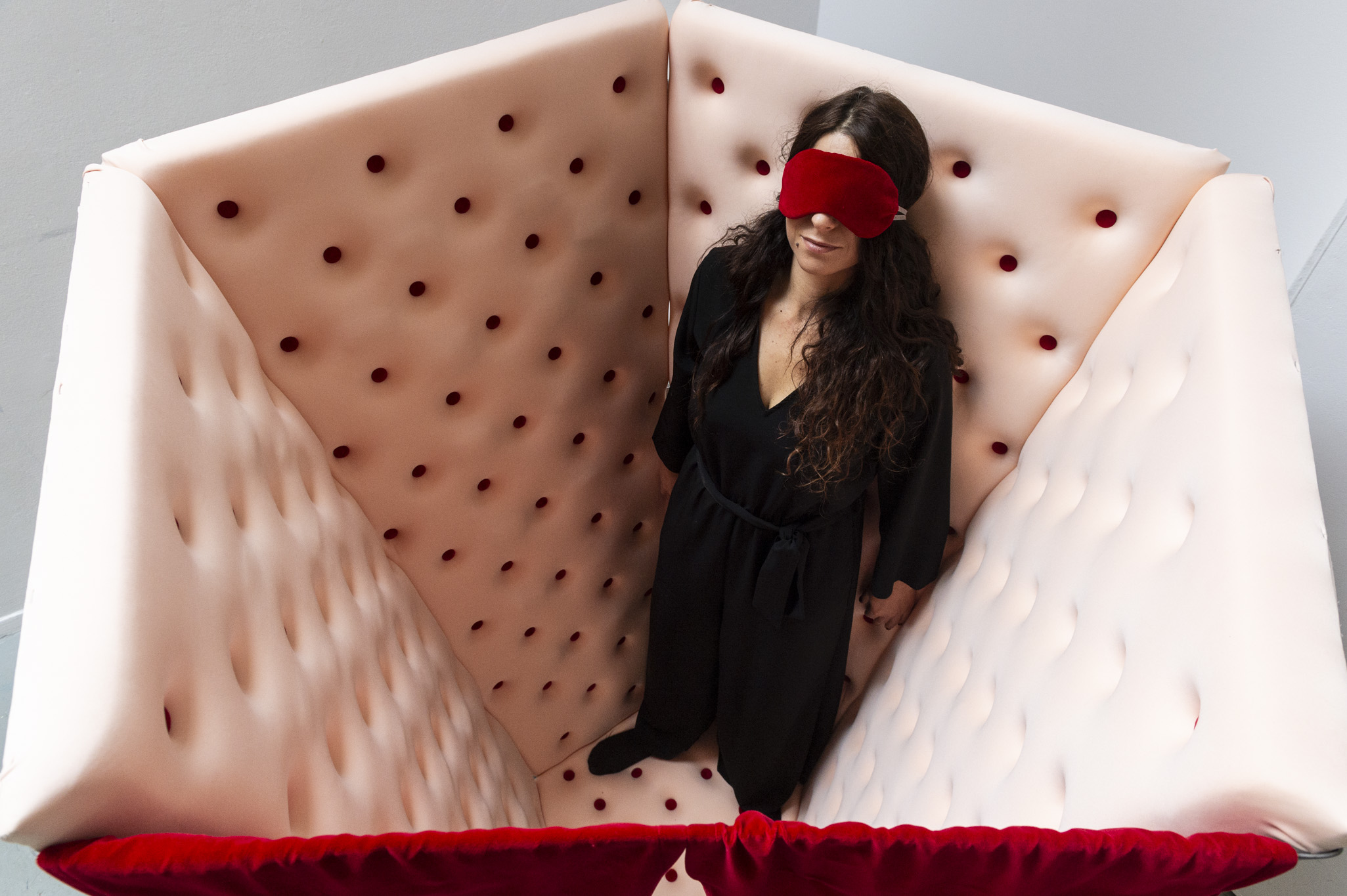
Sensorial Screen is an interactive installation that considers the body as a screen, as a place, in which complex visual information can be perceived as a sensation, and felt at the skin level. By focusing on the haptic experience of the participant it takes into consideration his or hers sensorial biological apparatus in the construction of unique individual phenomenological experiences. Given the complexity of visual information in the field of visual and conceptual art we assist in our days, how can one create new ways of experience, in which the sensorial system of the participants is determinant and acts in an interactive manner within the art work? The artist explores innovative forms of communication bounded in emotions and sensuality, rather then in cognitive and intellectual comprehension, as a possible answer to that problem.