

ANA DE ALMEIDA
“Ficou
a ver
passar
navios.”
#ARTS-BASED RESEARCH #ARCHITECTURE #COMMONS #INSTALLATION #SPACE #MULTIMEDIA #IDENTITY #PERFORMANCE
#NEO-COLONIAL #VIDEO #GENDER
BIO. Ana de Almeida (b.1987) is an artist and author from Lisbon, currently based in Vienna. She is a member of the artists’
collective dienstag abendof
of VBKÖ and of the Interndinner collective against precarization of work in the cultural field. Her artistic practice addresses memory and remembering processes, narrative constructions that connect space and subject, and plurispatial and multilayered narratives in general.
Ana de Almeida is currently a Ph.D. candidate at the Academy of Fine Arts of Vienna, pursuing a doctoral thesis about the production of images in the 1974—1989 inter-revolutionary space between the Carnation and the Velvet Revolutions.
Ana de Almeida is currently a Ph.D. candidate at the Academy of Fine Arts of Vienna, pursuing a doctoral thesis about the production of images in the 1974—1989 inter-revolutionary space between the Carnation and the Velvet Revolutions.
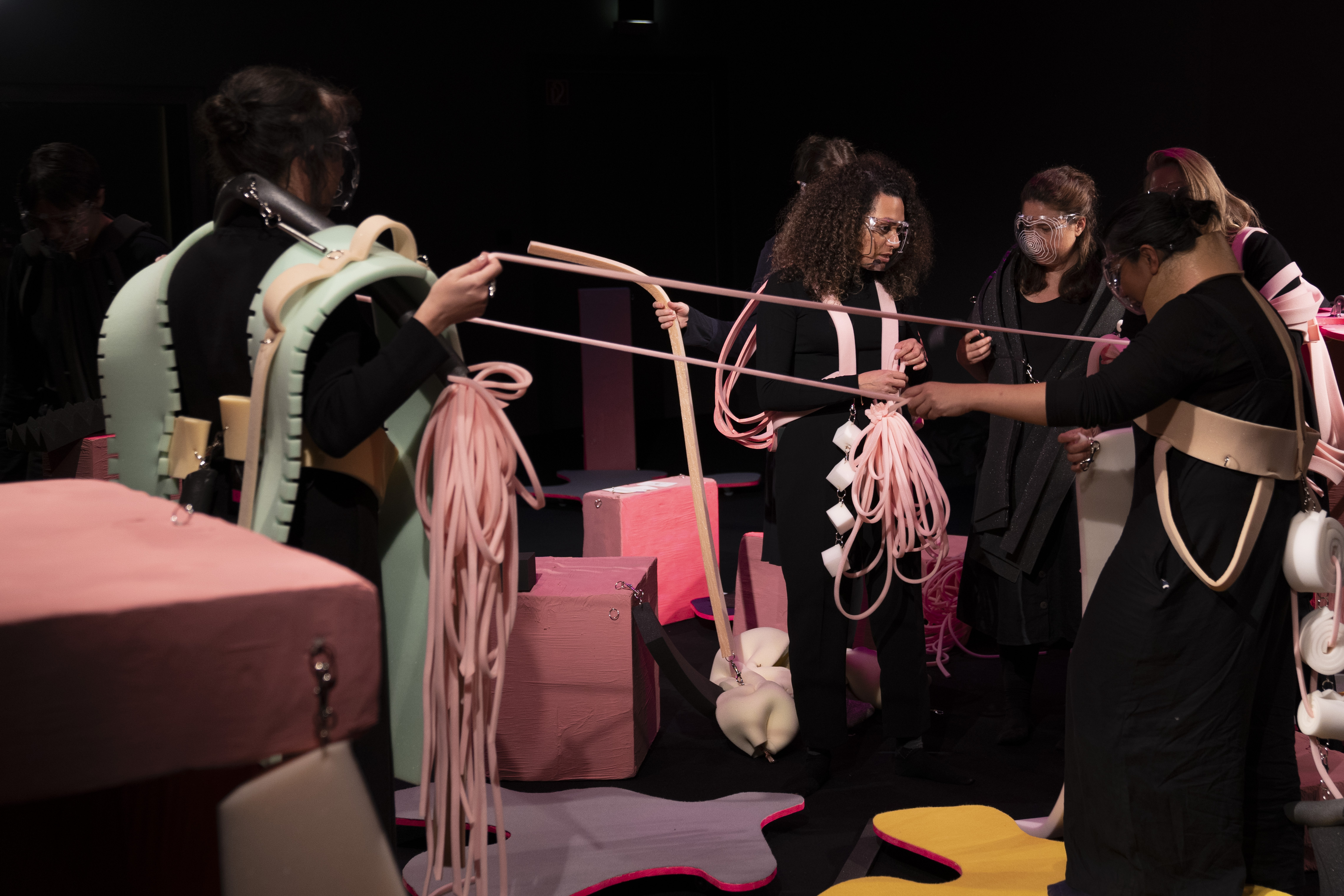
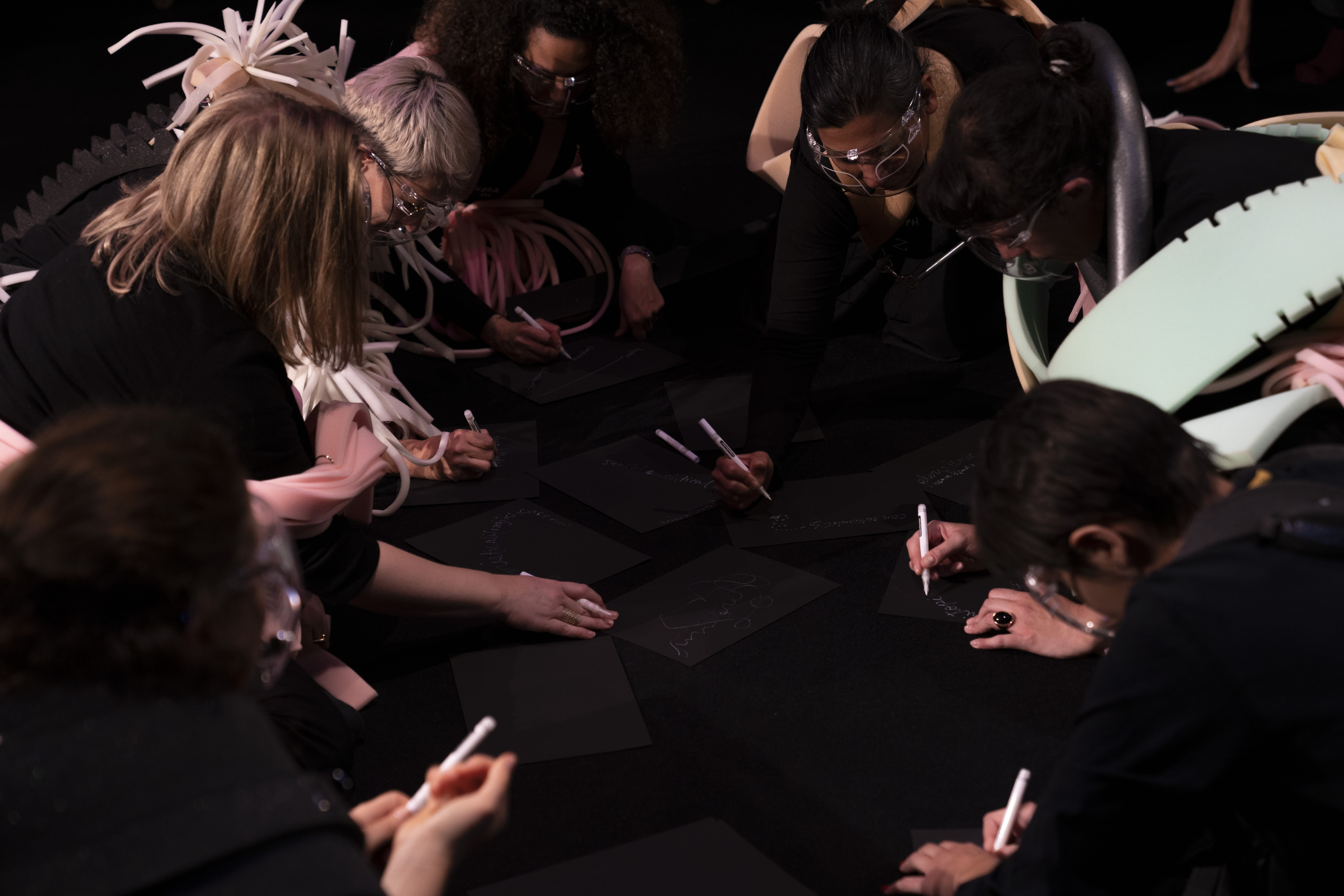
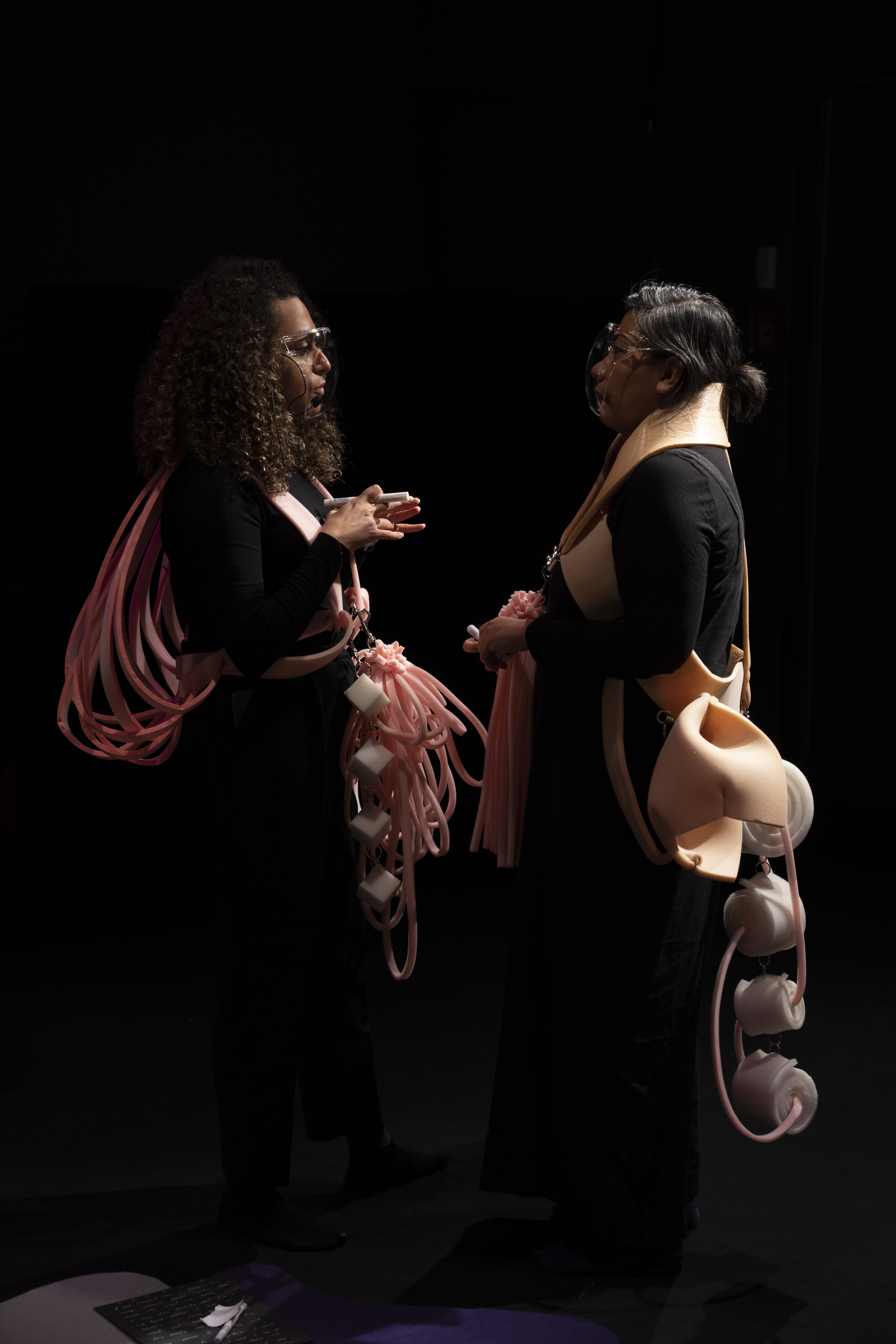

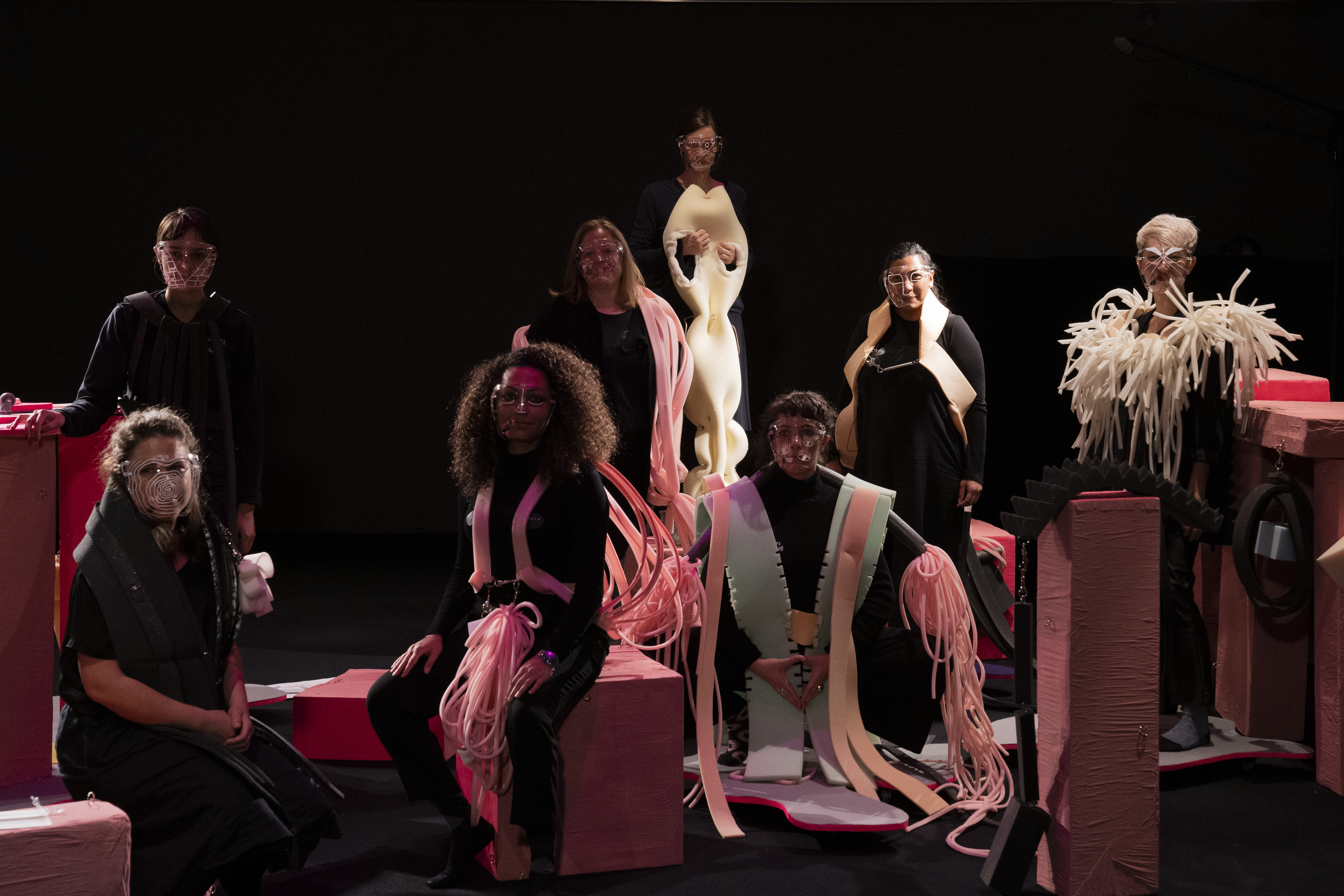
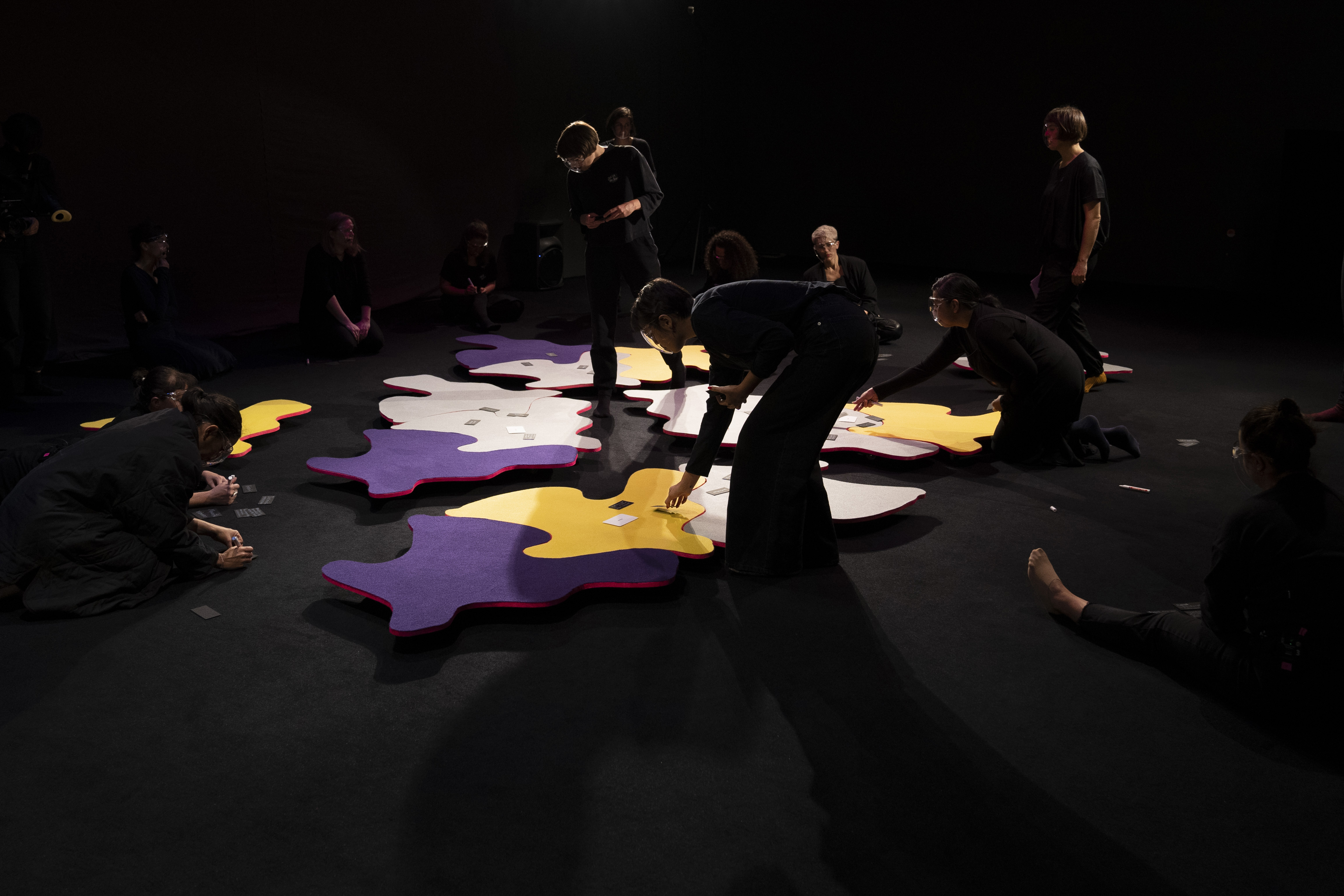
Ana de Almeida, Alicja Rogalskaand & Vanja Smiljanic
NOVA. Future thoughts on surviving together (2020 AT)
Live Action Role Play
In the future, gender inequality was erased. Nova is a multitude of newly born, radically inclusive and self-managed communities. Heterogeneous in their forms of commoning and social organization, Nova share a vow to never let oppression in any form rise again. Nova. Future thoughts on surviving together is a feminist futurist LARP - Live Action Role Play by Ana de Almeida, Alicja Rogalska and Vanja Smiljanić; directed towards feminist and queer-feminist activists based in Vienna. NOVA is a day of speculative gaming aimed at sharing survival strategies, exercising solidarity and intersectionality, creating solidarity networks and forming new alliances between different emancipatory movements. Together, we created a piece of feminist political fiction - a work in progress and a world free of patriarchal oppression in the making.
With: VBKÖ, Saloon Wien, Kunst & Kind, Latinxs Unidxs, Kültür Gemma, Cine Collective, Mala Sirena, female:pressure.


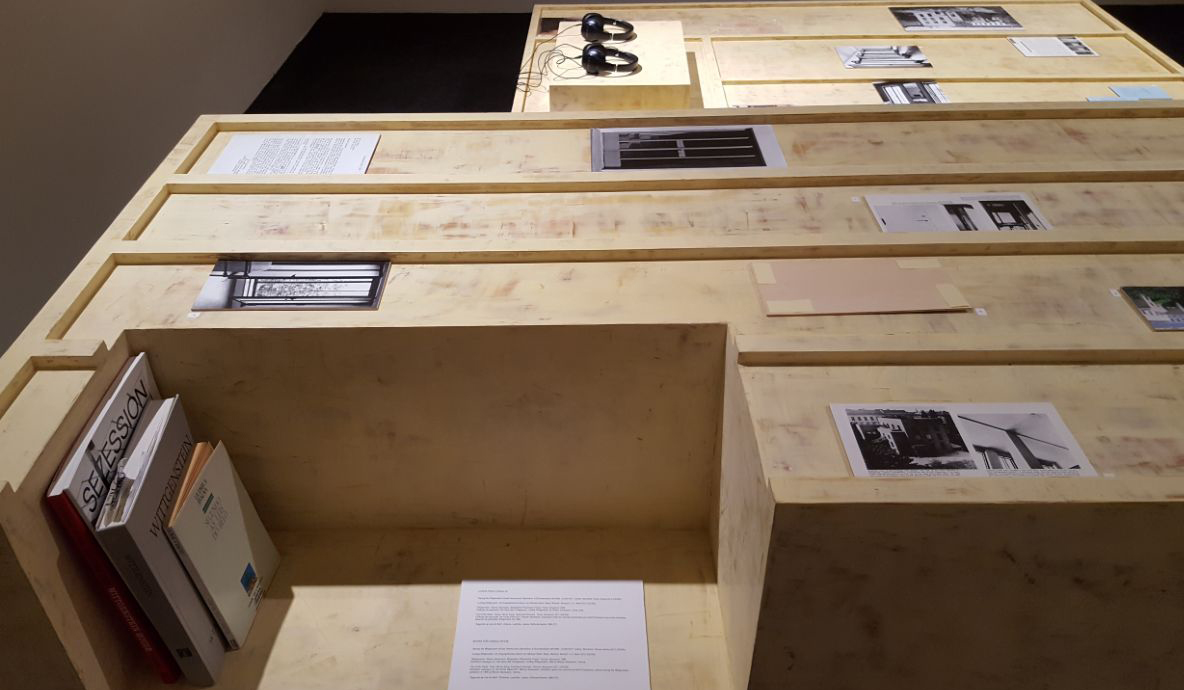
A Casa / The House The flat / Die Fläche (2018 PT)
MDF, stucco-lustro, stereo sound 42'5'' looped
Likewise a sculpture, A Casa (The House) shares the aesthetic and architectonic language of the House Wittgenstein in Vienna. The two volumes are a transposition and folding down of two of its architectonic elements: a window and the vestibule door. They serve as display for documental material such as letters and photos and incorporate an audio piece with interviews led by the artist. The surface is covered by stucco-lustro, a coating technique proliferating in Vienna on the turn to the 20th century, similar to how could the original coating of the walls of the House Wittgenstein have looked like before they were painted white after World War II. The highlighting of the stucco-lustro architectonic detail points out to a fundamental discovery for the understanding of the house as aesthetic experiment in which the house interiors, composed by materials which evoke extreme hardness, seem to dematerialize through the highly reflecting properties of the stucco walls.

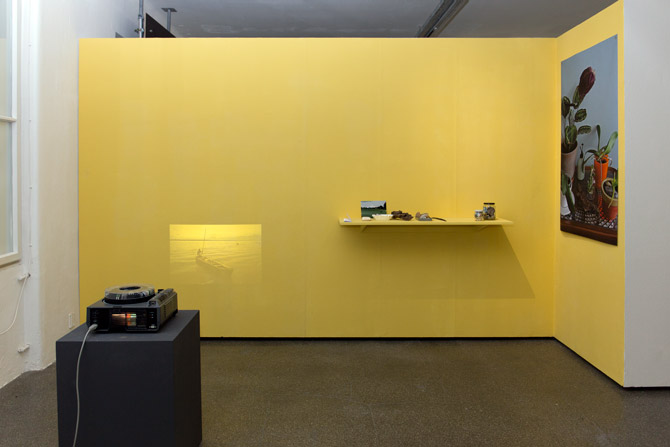
Photos: © Ana de Almeida & Stephanie Misa
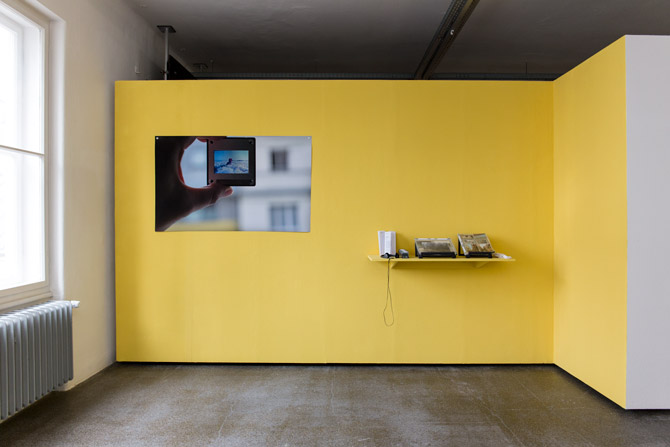
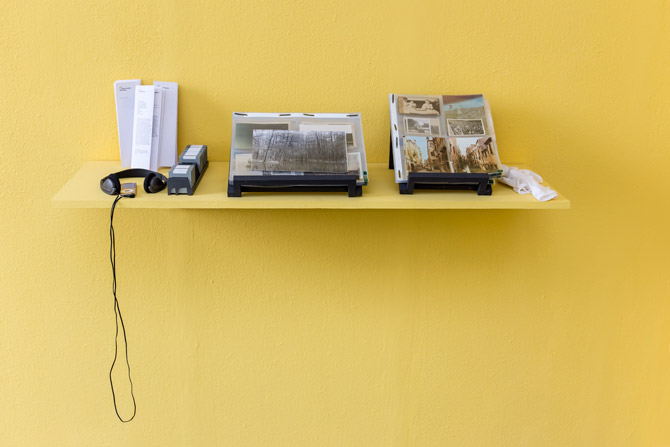
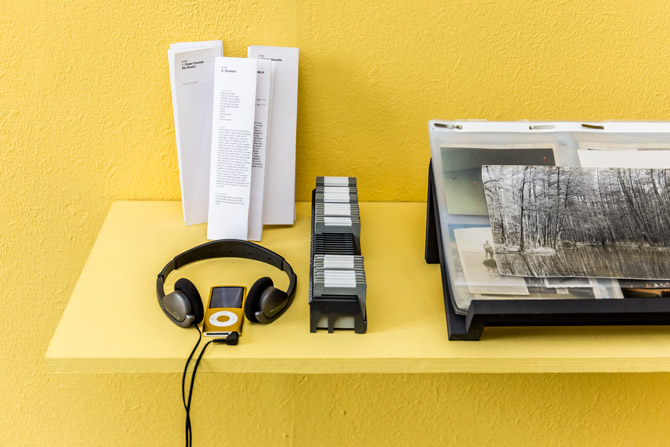
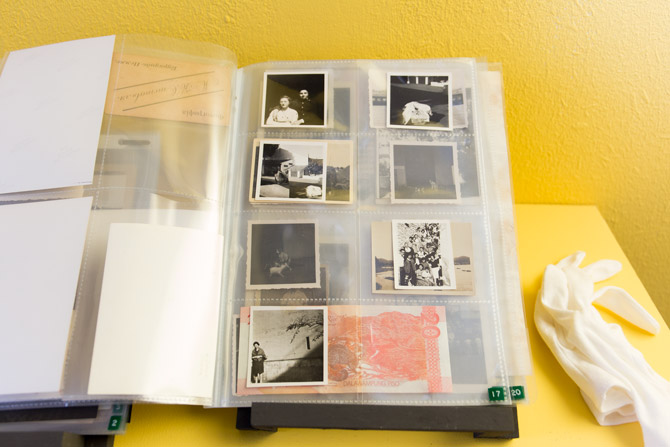
Untitled (Yellow) (2017 PT)
Wall, yellow paint, memorabilia, diashow, stereo sound
A cooperation between Ana de Almeida (PT/AT) and Stephanie Misa (PH/AT) . This is a project about landscape as formal and informal disposition of elements. Coordinates. An arrangement, a hierarchy: borders and de-limitations, transpositions and transgressions, frames and their inside-outside, margins, and of course landscape — of the geographical, political, personal, and emotional nature. Edouard Glissant’s Traité du Tout-Monde. (Poétique IV), calls it archipelagic thinking, a group of islands that lends its topography to an alternative imaginary: a reassessment of the insularity of bound cultures, of nation-states, and the heaviness of “continental thought”. The archipelago is an alternative imaginary, one that posits that identity could be as a conglomeration of islands (composed of many, yet is one). Identity formation, embodiment, complex colonial histories, evolution, interconnectedness, diaspora and change — Oh to dispell the oppressive idea of nationalistic wholeness!
STEFANIE WUSCHITZ
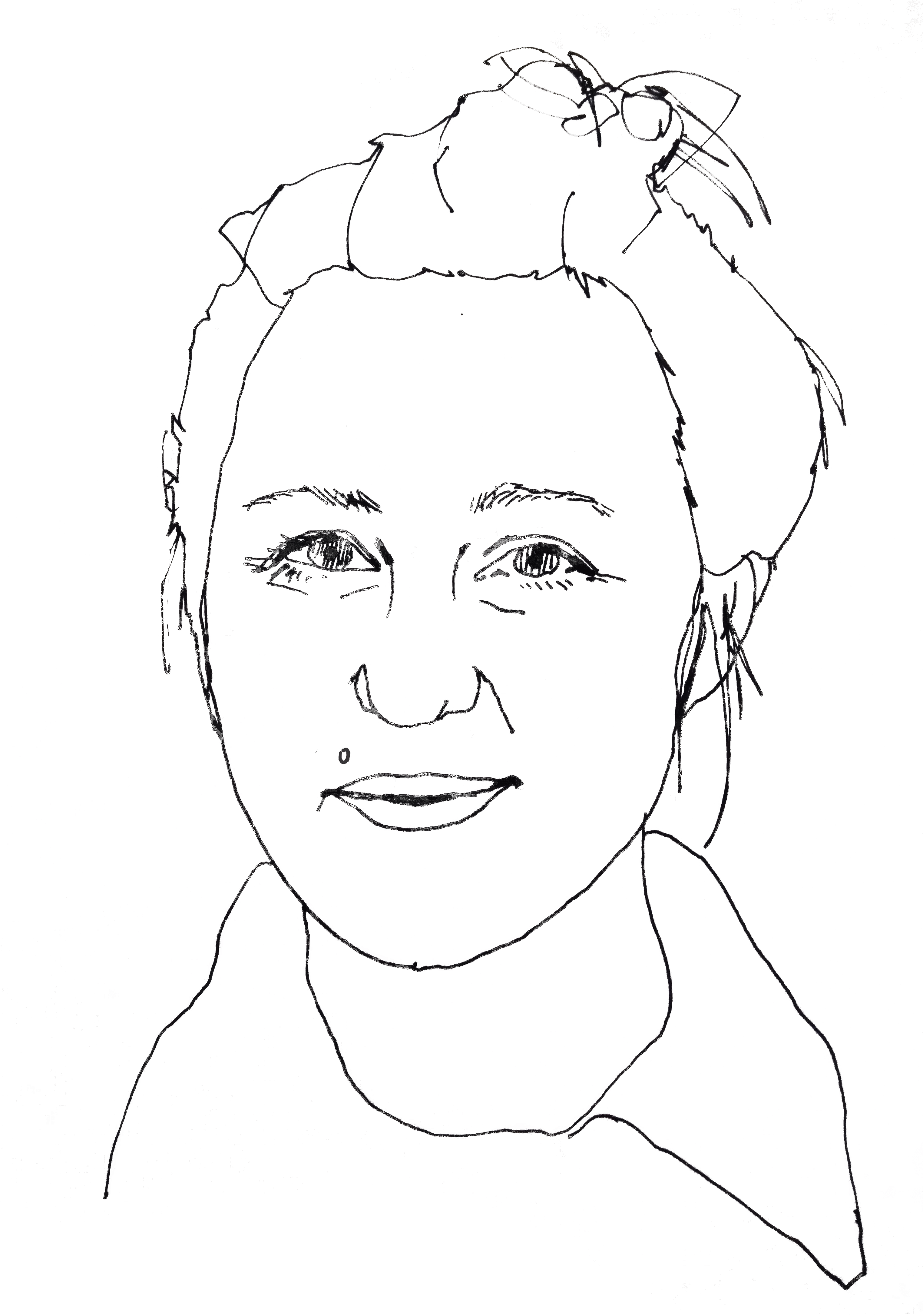
“I once met
Laurie Anderson
in person
and she said
something
along the lines of:
‘If you do not fit in,
build your own structures.’
I loved that.”
#ANIMATION #ARTS-BASED RESEARCH #BIO #COMMONS #DRAWING #ECOLOGY #FABULATION #ELECTRONICS #INSTALLATION #INTERACTIVE #MATERIAL #HACKING
BIO. Stefanie Wuschitz works at the intersection of art, research and technology, with a particular focus on feminism, open source technology and peer production. 2006 She graduated from the University of Applied Arts Vienna (Transmediale Kunst) with honors. 2008 she completed her Masters at TISCH School of the arts at NYU and became Digital Art Fellow at Umeå University in Sweden. 2009 she founded the feminist hackerspace Mz* Baltazar’s Laboratory in Vienna, encouraging art and technology that is developed from a female perspective. In 2014 she finished her PhD with the title ‘Feminist Hackerspaces. A Research on Feminist Space Collectives in Open Culture’ at the Vienna University of Technology.

Photos: © Stefanie Wuschitz
The women* who made it (2020)
Interactive light installation
This interactive portrait of female* identified geeks, nerds, artists and hackers is based on interviews with Schmiede participants conducted by interaction designer Dorothé Smit and drawings and electric circuits by Stefanie Wuschitz (with support by Per Salkowitsch).
The users can control the speed of the wheels and therefore the combination of projections on display.
The installation consists of several acrylic, transparent wheels that glow in the dark and spin in variable speed. With their interaction users can assemble portraits to emerging/potential/future feminist hackers. Through pointing lights on the spinning wheels the projection keep overlapping.
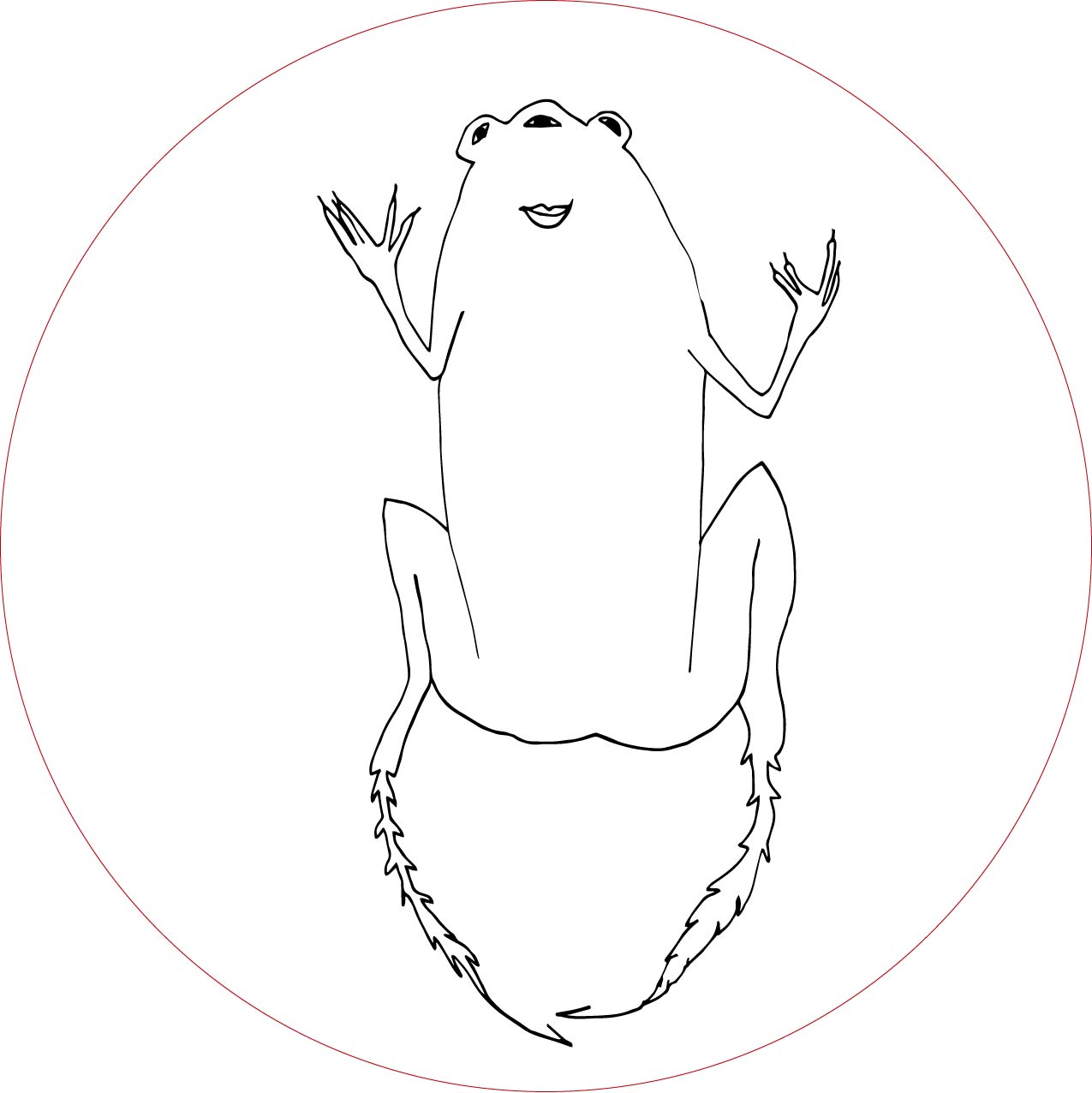
The portraits of female artists/hackers are divided into hair and face elements and therefore create speculative new faces when overlapping at different moments in time.
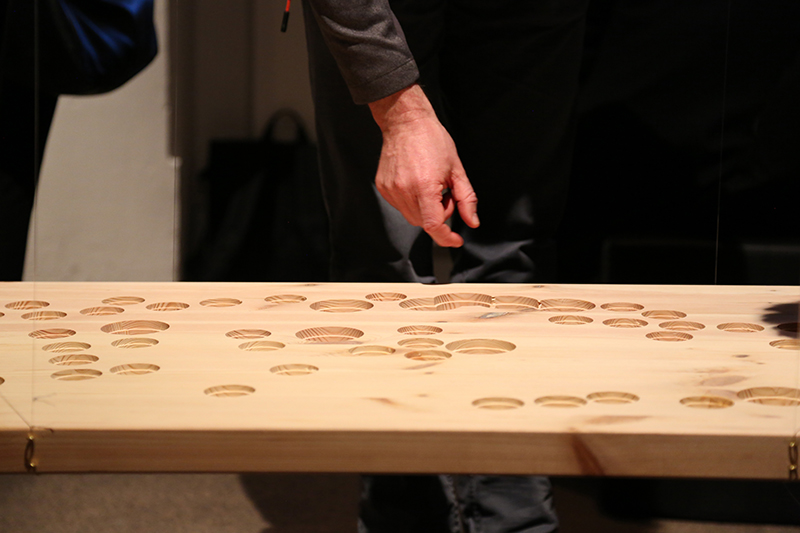
Photos: © Stefanie Wuschitz
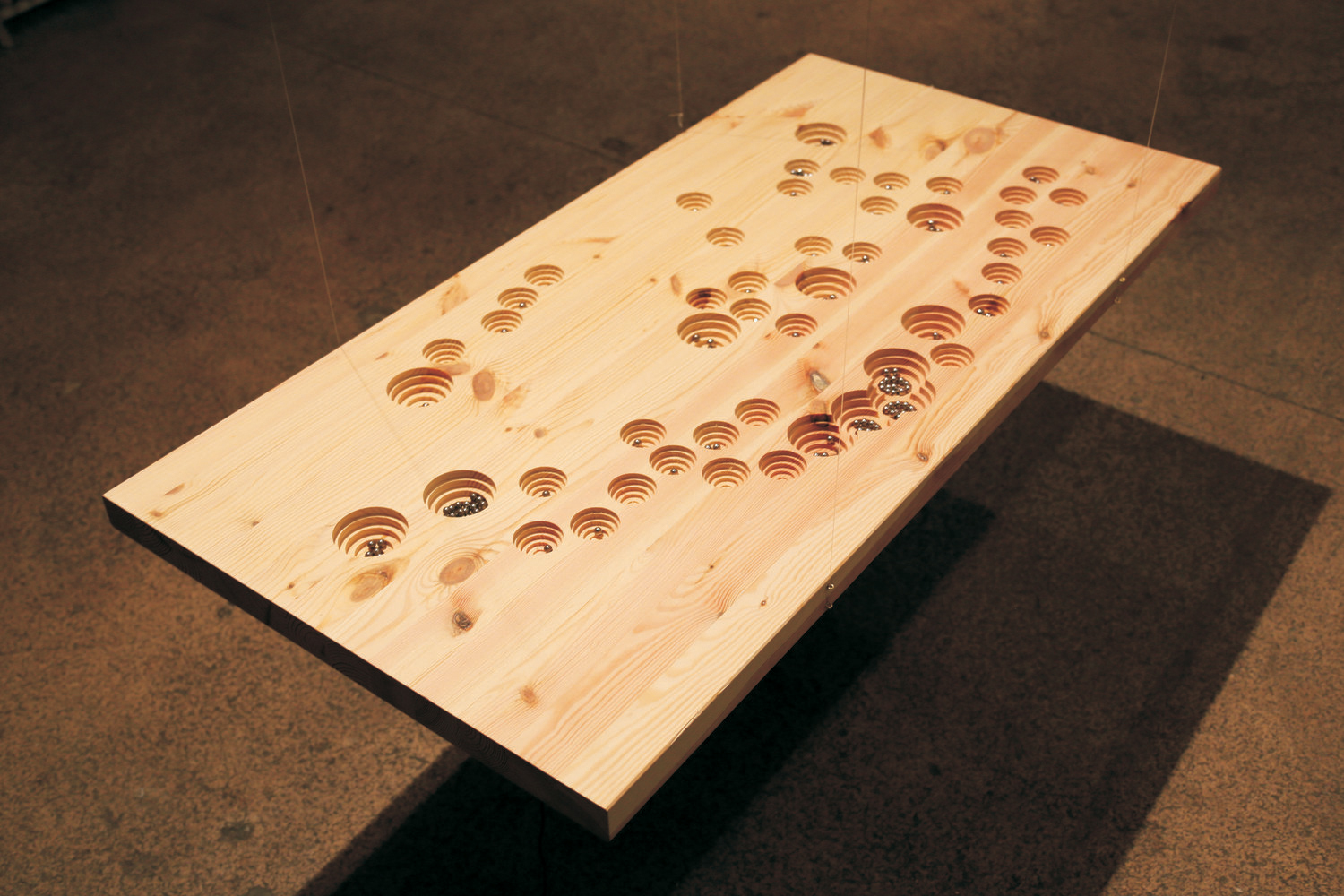
Congklak (2017)
Interactive sound installation
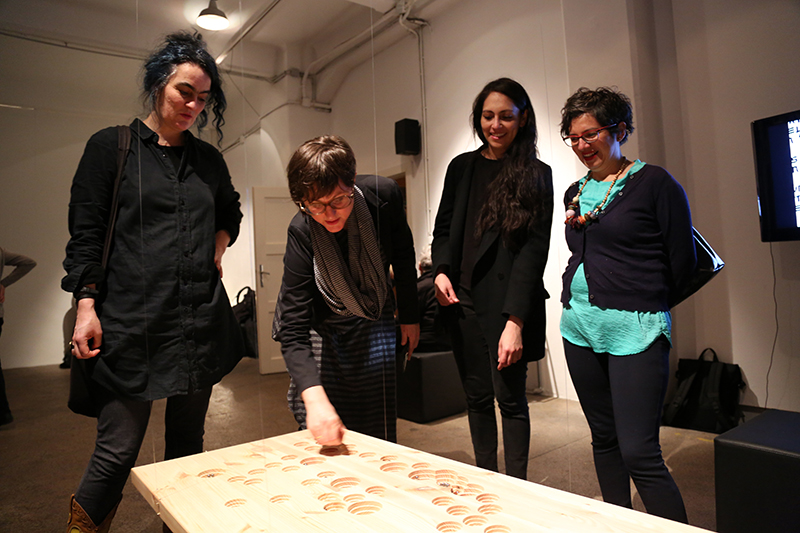
This interactive sound installation refers to a very popular Indonesian 9000 year old board game.
The game was originally a training in strategic thinking for young girls. Tokens need to be seeded into the fields equally and in a circular movement. The winner is the player who succeeds to get all tokens from the child fields into the mother field first. In this variation the tokens are substituted with metal balls, attracted by electric magnets on the bottom of the board. The player’s moves are amplified and create the typical rhythmic sound of this game. With support from Andreas Siagia.




Images: © Stefanie Wuschitz
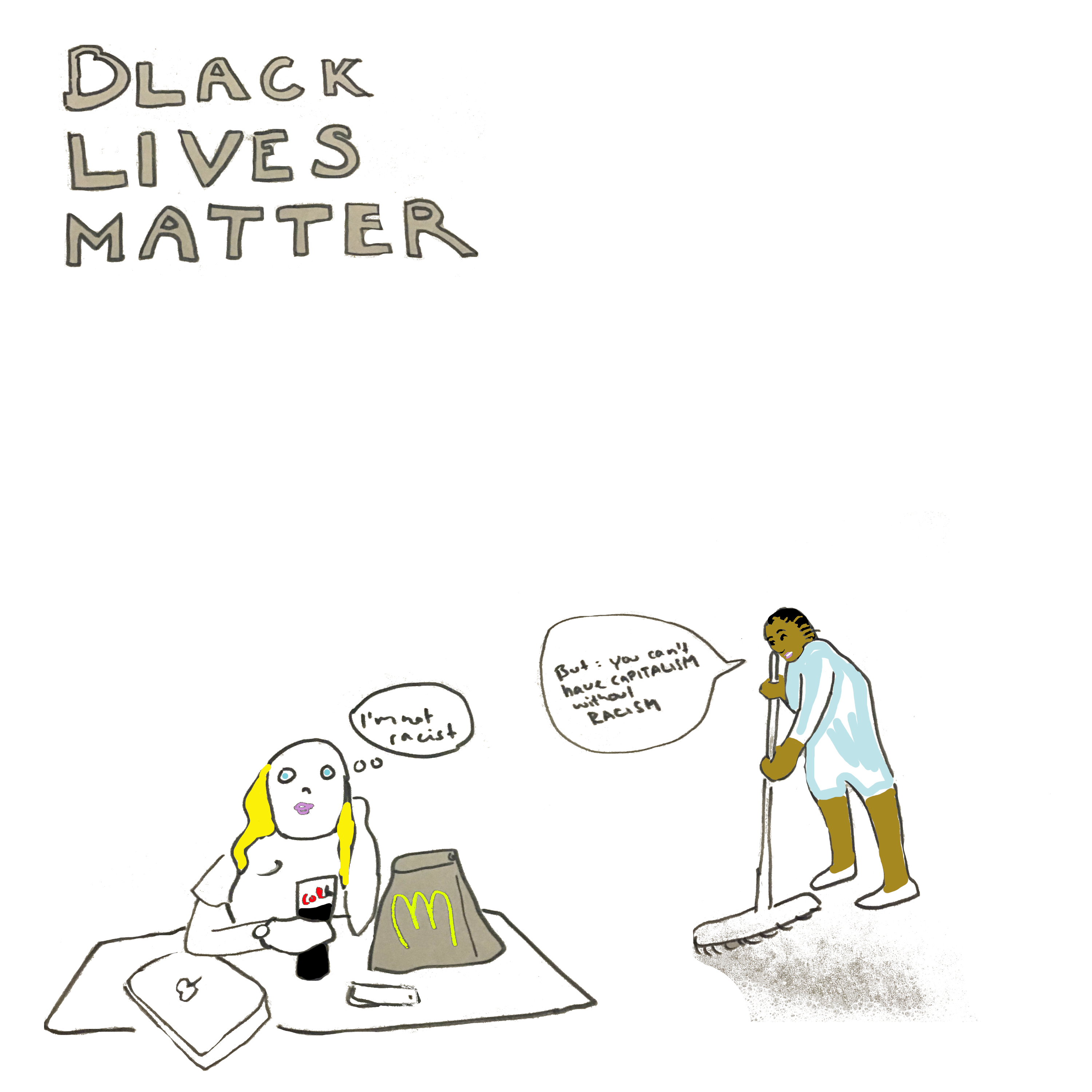
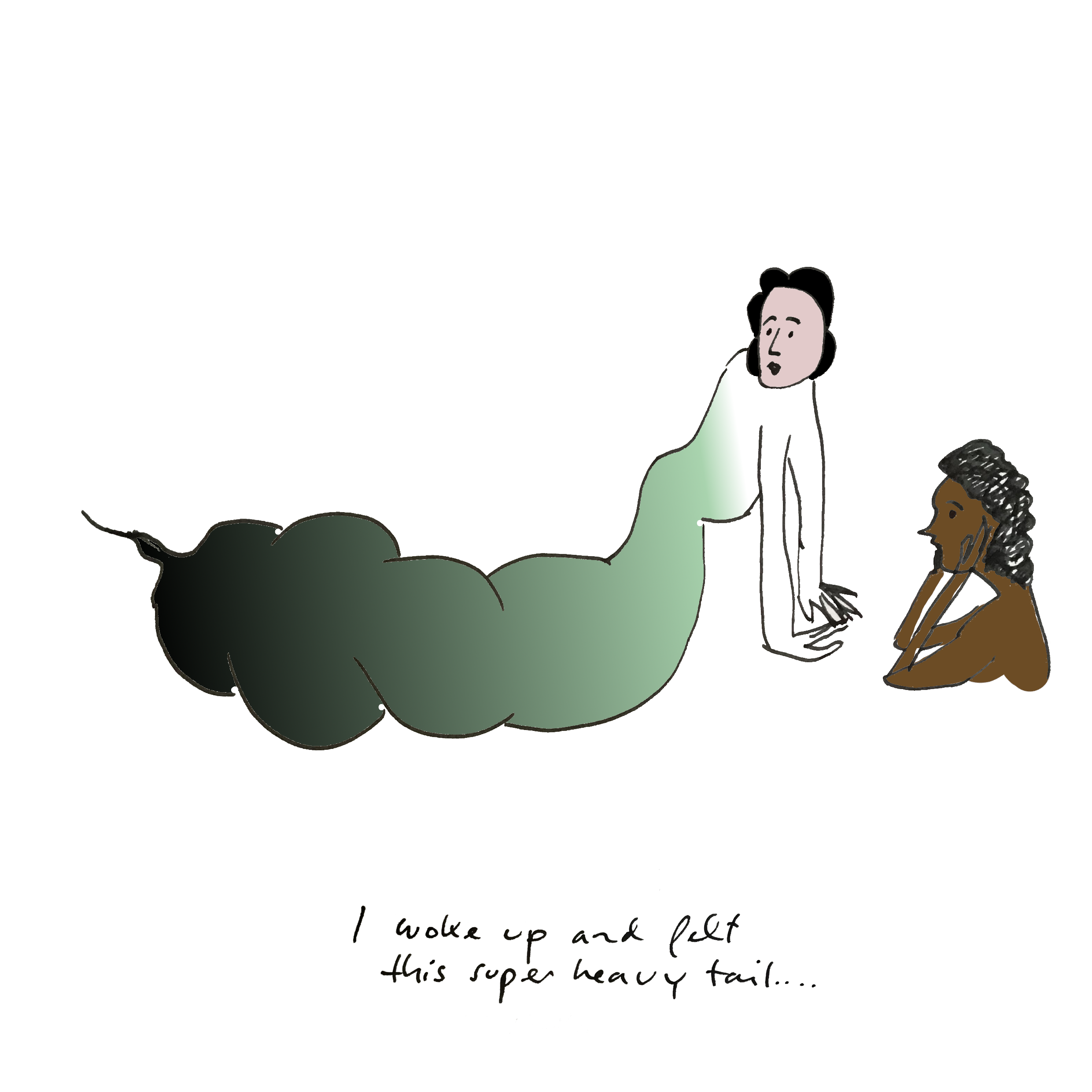
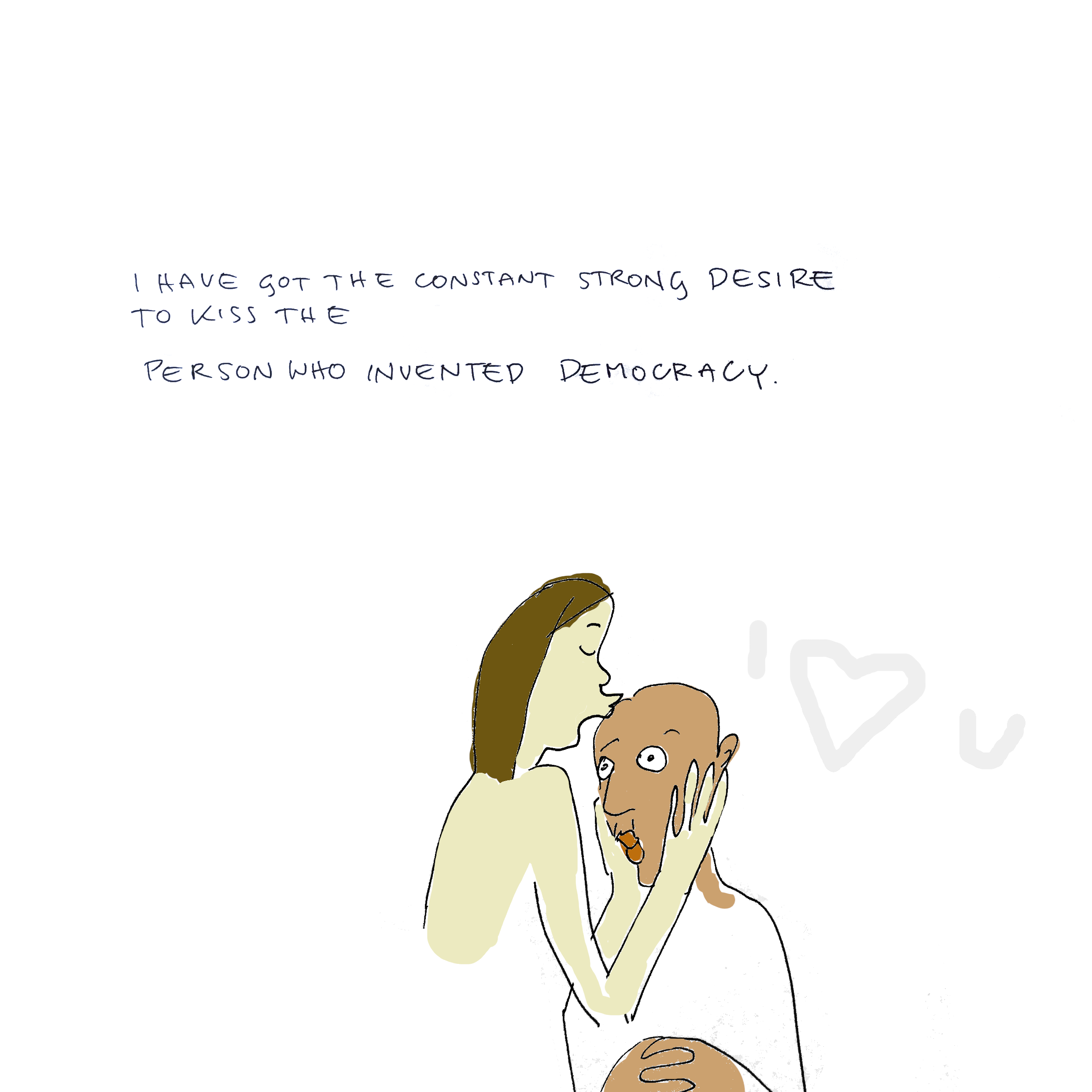
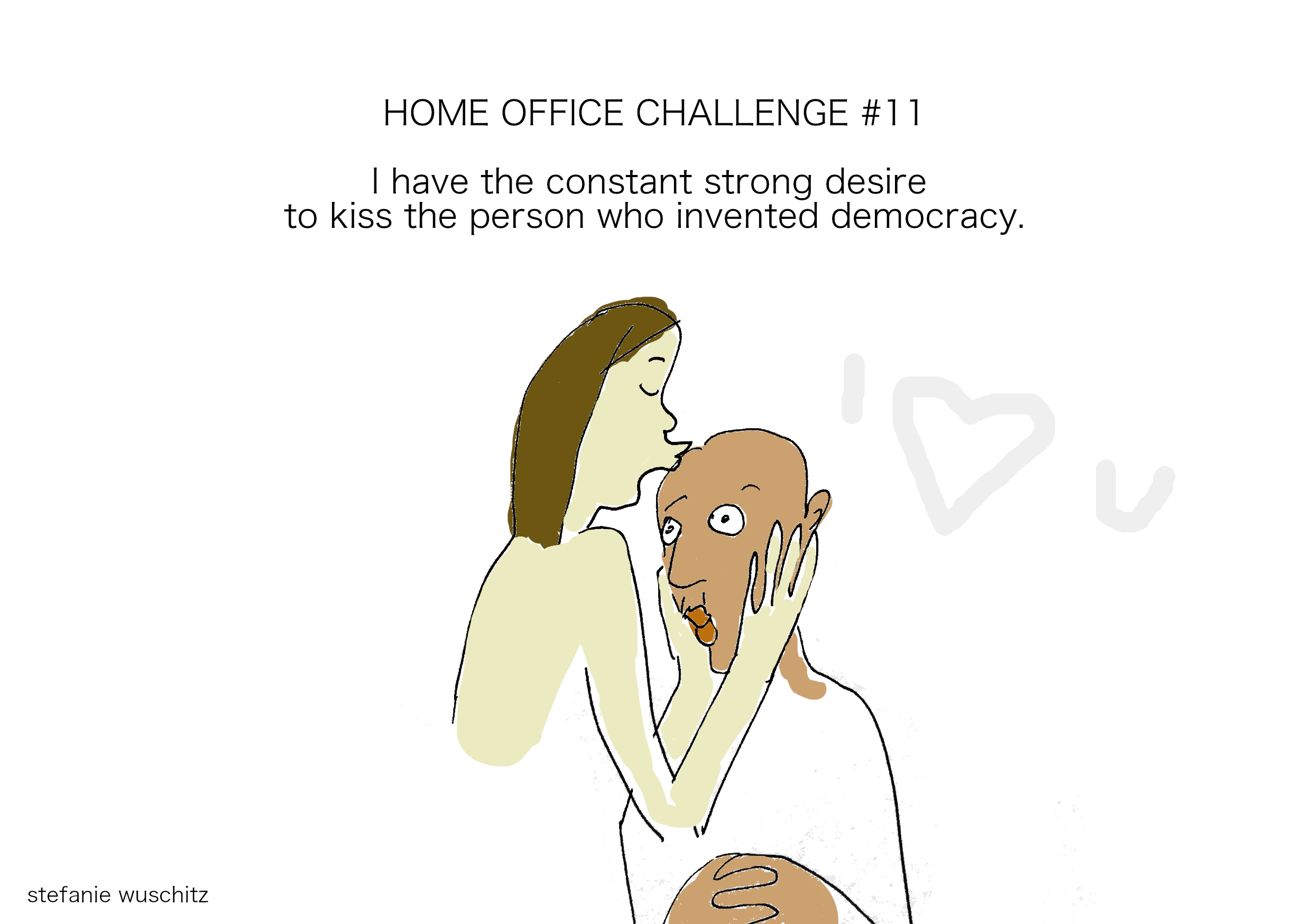
Corona Diary (2020)
Hand drawn drawings and postproduction in Gimp
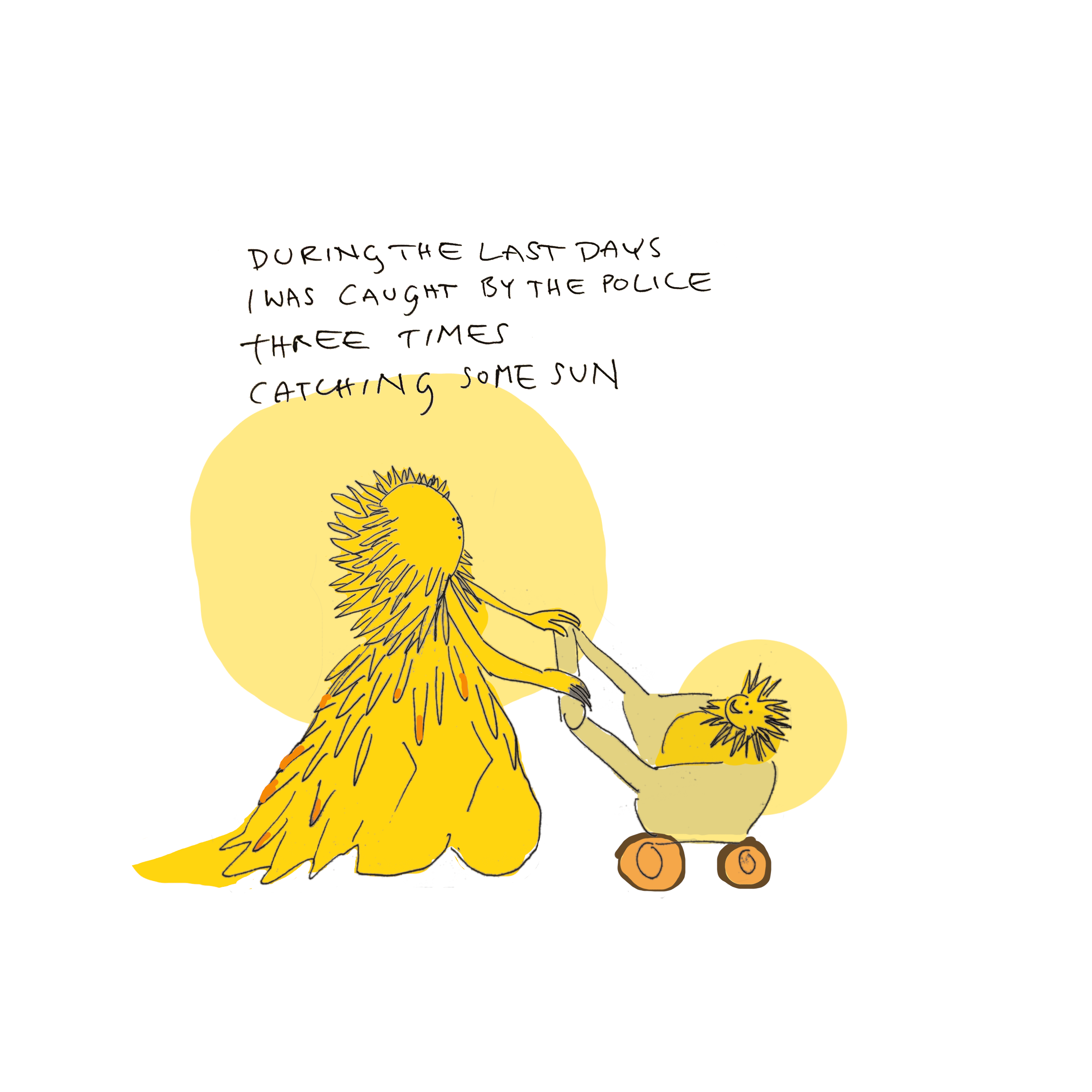
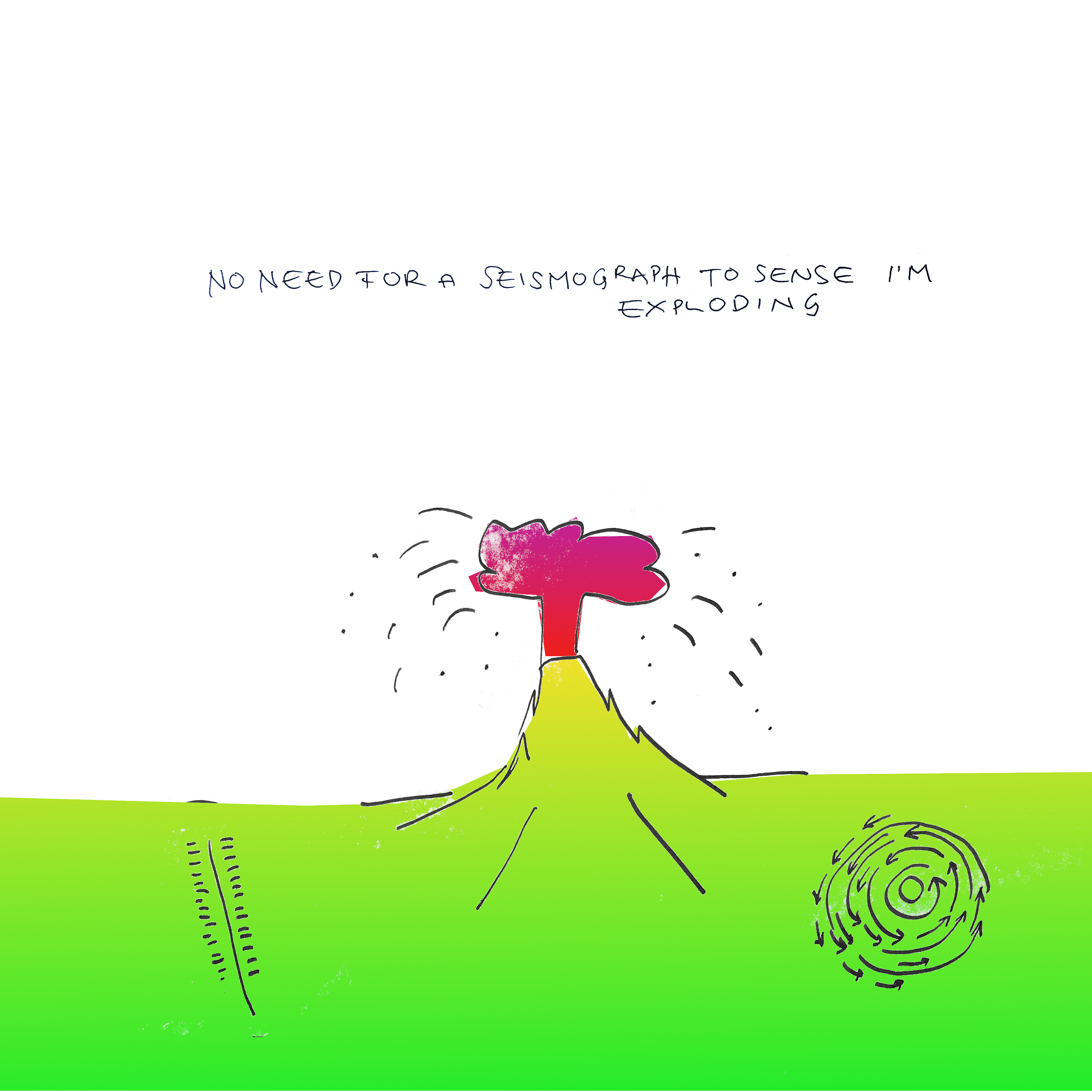
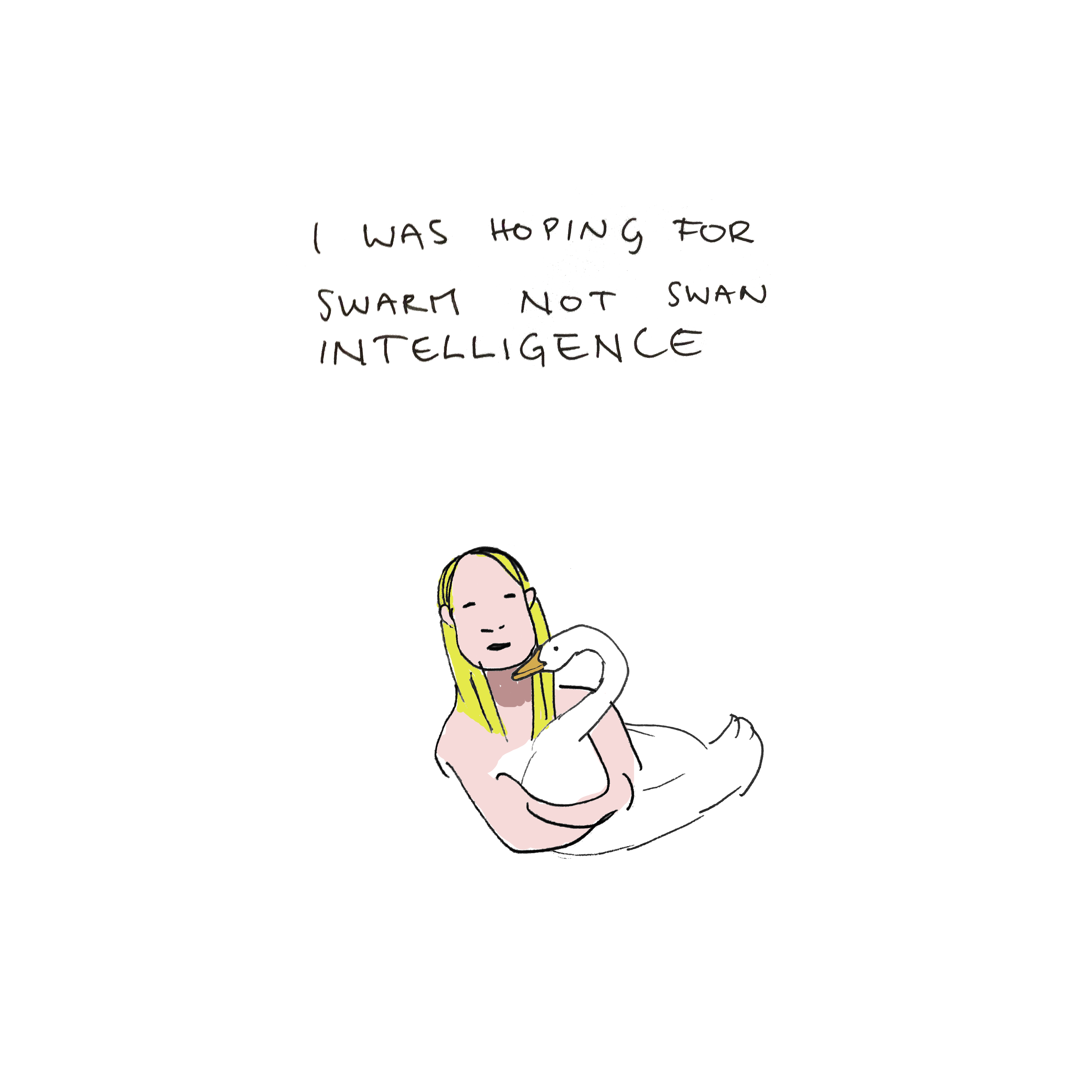
During the COVID 19 pandemic I try to keep this Corona Diary. Staying at home is not easy, drawing helped me to not get sick. Being a good mom in a lockdown situation is difficult, so to release tension through humor was and is still a helpful strategy, I believe, at least in order to construct stability where there is none.